
How to Safely Recover Files from SD Card FREE

SD cards have become an essential storage medium in cameras, smartphones, drones, and even gaming consoles. They are compact, portable, and reliable — until an accidental deletion or sudden corruption occurs. Losing important photos, videos, or documents stored on an SD card can feel like a disaster, especially when those files are irreplaceable. Fortunately, recovering deleted or lost files from an SD card is often possible, and you don’t always need to pay for expensive software or services. In this guide, we’ll show you how to safely recover files from an SD card for free, step by step. We’ll provide expert tips, personal recovery insights, and trusted methods to maximize your chances of success. By the end of this article, you’ll know exactly how to handle SD card data recovery safely and effectively.
Can You Really Recover Deleted Files from an SD Card?
Before jumping into recovery methods, it’s important to understand how file deletion works. When you delete a file from an SD card, it doesn’t disappear instantly. Instead, the system marks the space occupied by the file as “available,” waiting to be overwritten. As long as no new files overwrite this space, the deleted data can often be recovered.
Common scenarios for SD card data loss include:
- Accidental deletion of photos or documents.
- Formatting the SD card without backup.
- File corruption due to abrupt ejection or power failure.
- Virus or malware attacks that erase or hide files.
Recovering files is not always guaranteed. Severe corruption, physical damage, or overwriting reduces the chances. Acting quickly and following safe recovery procedures is crucial if you want to recover files from SD card free without paying for premium software.
Safety Precautions Before You Start
Before attempting any recovery, taking the right precautions can make or break your results. Here’s what you should do:
- Stop using the SD card immediately. Continued use may overwrite the lost files.
- Avoid formatting the card unless it’s absolutely necessary for repair.
- Use a card reader to connect the SD card to your computer rather than plugging the device directly. This reduces the risk of further corruption.
- Back up recovered files to a separate drive or storage location. Never save recovered files back to the same SD card.
Following these precautions ensures that recovery efforts are safe and maximizes the chance to successfully recover files from SD card free.
Free Methods to Recover Files from SD Card
Once safety precautions are in place, you can move on to the actual recovery methods. We will start with the simplest checks before moving to more powerful software solutions.
Method 1: The Recycle Bin/Trash Check (For Computer Deletions)
If you deleted files while the SD card was connected to your Windows PC or Mac, the first and simplest place to look is your computer’s temporary deletion folder.
Step 1: Open the Recycle Bin (Windows) or Trash (Mac).
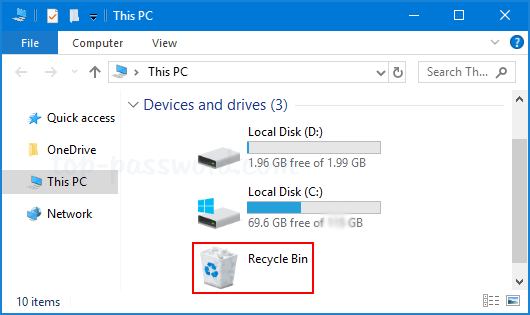
Step 2: Search for the files by name, file type, or date.
Step 3: If found, right-click on the file(s) and select Restore or Put Back.
Limitation: This method only works if the deletion was performed while the card was mounted to the computer. Files deleted directly on a camera, permanently deleted via “Shift + Delete” (Windows), or lost during formatting will not appear here.
Method 2: Utilizing Windows Built-In Backup Tools
Windows operating systems have features designed to protect users from data loss, which can sometimes be leveraged for SD card recovery if they were configured prior to the loss.
File History (Windows 8/10/11)
If you had File History enabled to back up a folder that your SD card data was copied to, you can use it:
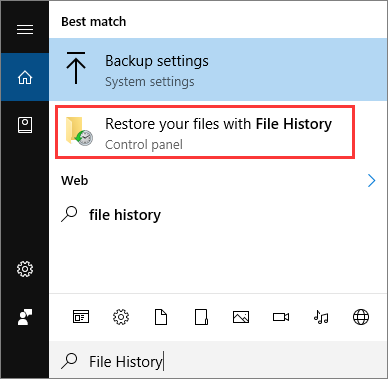
Step 1: Type “Restore your files with File History” into the Windows search bar and open the utility.
Step 2: Browse through the backups using the arrows until you find the folder version that contains your lost SD card files.
Step 3: Select the desired files and click the green Restore button.
Previous Versions (Windows 7/8/10/11)
This feature creates copies of files and folders (restore points) that are part of a backup.
Step 1: Navigate to the parent folder on your computer where the SD card data was originally stored/copied before the loss.
Step 2: Right-click on the folder → select Properties.
Step 3: Click the “Previous Versions” tab.
Step 4: Select an earlier version of the folder from the list (based on date) → click Restore or Copy to save the files to a safe new location.
Limitation: Both of these methods only work if the respective backup features were enabled and configured to back up the location where the SD card files were stored before the data loss occurred.
Method 3: The Best Free SD Card Recovery Software
When the simple checks and built-in tools fail, a dedicated, free recovery application is the next step. These tools perform a deep scan of the card’s raw data to reconstruct lost files, bypassing the damaged file system.
Option A: WinfrGUI
WinfrGUI is a fantastic, user-friendly Graphical User Interface (GUI) for Microsoft’s powerful, command-line-based Windows File Recovery (Winfr) tool. It makes a highly effective, complex tool accessible to non-technical users, offering safe, free recovery of photos, videos, documents, and more, even from formatted or corrupted SD cards.
How to use WinfrGUI for SD Card Recovery:
Step 1: Download WinfrGUI from its official website. Connect your SD card using a stable card reader.
Step 2: Open WinfrGUI. Select the SD card as the Source Drive. Choose a safe location (your computer’s main drive or an external drive) as the Destination Drive.
Step 3: Select the appropriate scan mode. For simple deletions, Quick Scan might suffice. For formatted cards or severe corruption, choose Deep Scan. Use the filter options to select only the file types you are looking for (e.g., JPEG, PNG, MP4, DOCX). This speeds up the scan.
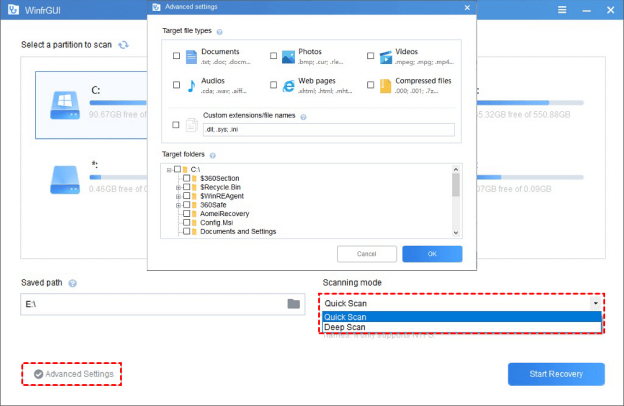
Step 4: Start and Review: Click Start Recovery and wait for the scan to finish. The duration depends on the card size and condition. Once complete, check the recovered folder on your destination drive to ensure the files are intact.
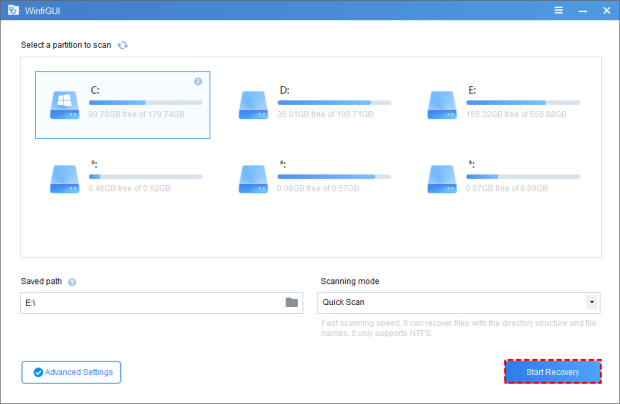
Personal Insight: I’ve found WinfrGUI to be incredibly reliable, often recovering 70–90% of lost photos and videos from formatted SD cards used in cameras. Its clear interface dramatically lowers the barrier to entry for this kind of powerful recovery.
Option B: Recuva
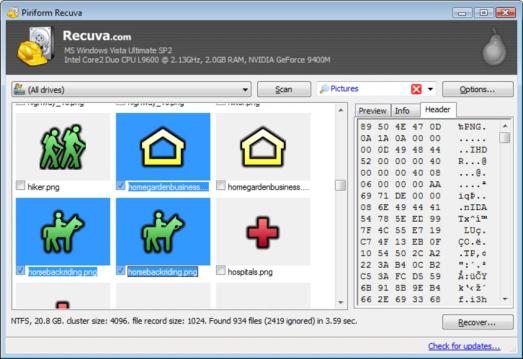
Recuva is a very popular, lightweight, and reliable free tool often recommended for simple recovery tasks.
- Pros: Very easy to use, has a quick-start wizard, and is excellent for recently deleted files.
- Cons: The free version lacks some advanced features of the paid version, but it is highly capable for basic SD card recovery.
Option C: PhotoRec
PhotoRec is a powerful open-source recovery software that works across multiple platforms (Windows, Mac, Linux).
- Pros: Excellent recovery capabilities, supports a vast range of file types, and can recover files even from severely damaged file systems.
- Cons: It is a command-line-based tool, making its interface less beginner-friendly than WinfrGUI or Recuva. It is best suited for users comfortable following detailed terminal instructions.
Critical Note: Always download any recovery software from the official developer’s website to avoid malware, pirated versions, or fake recovery tools that can damage your data further.
When Free Methods Aren’t Enough: Advanced Troubleshooting
Even with the best free tools and adherence to all safety protocols, recovery is not always successful. Understanding why free methods might fail is the first step toward finding a more advanced solution.
Reasons for Recovery Failure
- Complex File System Corruption: In rare cases, the file system structure is so badly damaged that even deep-scan tools struggle to identify the starting and ending points of the raw data fragments.res you don’t worsen the damage before seeking professional help.
- Physical Damage: The card is cracked, snapped, bent, or has suffered water or extreme heat damage. This is a hardware failure that no software can fix.
- Severe Overwriting: The card was used for a long time after the files were deleted, resulting in the lost data being completely overwritten by new files. The original data is now unrecoverable.
Troubleshooting FAQ
Q1: Can I recover files from a formatted SD card?
Yes, as long as new data hasn’t overwritten the original files. Tools like WinfrGUI can safely scan formatted SD cards and recover photos, videos, and documents. Acting quickly improves success rates.
Q2: Is there truly free SD card recovery software?
Yes. WinfrGUI and PhotoRec are reliable free options for personal use. Recuva also has a free version with basic features. Always download software from official sources to avoid malware.
Q3: Can I recover files from a physically damaged SD card?
Physical damage, like broken connectors or water exposure, usually requires professional recovery services. Attempting DIY recovery may worsen the problem.
Q4: Does recovery reduce SD card lifespan?
Normal scanning has minimal effect. However, repeatedly writing to a failing card can cause further damage. Always recover files to a separate drive, not the same SD card.
Q5: How long does recovery take?
Recovery time depends on card size, file quantity, and card condition. A 32GB SD card may take 15–30 minutes, while larger or corrupted cards could take hours. Patience is key for complete recovery.
Q6: How can I prevent future data loss?
Use regular backups (cloud or external drives), safely eject SD cards, avoid unnecessary formatting, choose high-quality cards, and scan for malware regularly. These steps reduce the risk of file loss.
Conclusion
Recovering lost files from an SD card is possible, often without paying a dime, if you act quickly and follow safe procedures. Whether using built-in Windows tools, checking the Recycle Bin, or employing trusted free software, the key is to stop using the SD card immediately and avoid overwriting lost data.Prevention is always better than recovery. Regular backups, careful handling, and safe storage of your SD cards reduce the risk of losing precious files in the first place. With the right tools and knowledge, free SD card recovery is not only possible but also reliable.
🔗 More Tutorials:
 MyRecover
 FoneTool
