
How to Open .Pages File on Windows Easy and Free

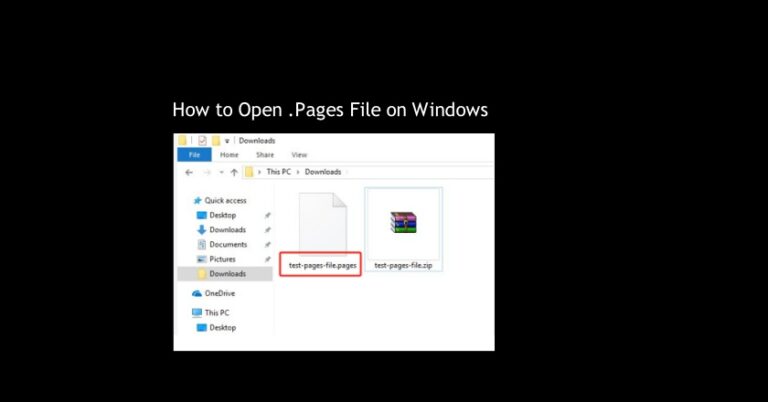
Have you ever received a file with the .pages extension and had no idea what to do with it on your PC? You’re not alone. Since .pages files are created using Apple’s Pages app, they aren’t natively supported by Windows. That means when a Mac user sends you a Pages document, your Windows system won’t open it by default—leaving you confused and possibly frustrated. If you’re currently stuck wondering how to open .pages file on Windows, this guide is here to help. In this article, we’ll walk you through multiple free and easy methods to view, convert, or even recover a .pages file on a Windows PC. Whether you prefer using cloud tools, quick file renaming hacks, or recovery software like WinfrGUI, we’ve got a solution that works for you.
Easy and Free Ways to Open .Pages Files on Windows
✅ Use iCloud Pages (No Installation Required)
One of the easiest and most reliable ways on how to open.pages file on Windows PC is to use iCloud Pages, Apple’s official web-based version of its Pages app. This method is 100% free, requires no installation, and works from any browser—including Chrome, Edge, and Firefox.1. Use iCloud Pages (No Installation Required). How to Do It (Step-by-Step):
Step 1: Go to www.icloud.com in your web browser.
Step 2: Sign in with your Apple ID. If you don’t have one, click Create Apple ID and follow the prompts to set up a free account.
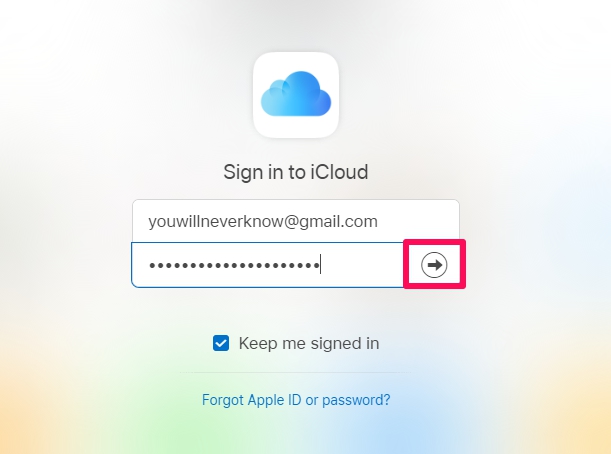
Step 3: Once logged in, click the Pages app icon.
Step 4: Click the cloud icon with an upward arrow to upload your .pages file—or simply drag and drop the file into the Pages window.
Step 5: After uploading, double-click the file to open and view it right in your browser. You can also edit the document if needed.
Step 6: To convert the file to a more accessible format, click the wrench (tools) icon in the top-right corner, select Download a Copy, then choose either Word (.docx) or PDF format.
Pros & Cons:
- ✔️Completely free—no subscriptions or fees required.
- ✔️No software installation needed—everything happens in your browser.
- ✔️Cross-platform—works on Windows, Linux, or even Chromebooks.
- ✔️Allows editing and exporting to formats like Word or PDF.
- ✔️Secure and official—provided by Apple directly.
- ❌Requires an internet connection—not ideal if you’re offline.
- ❌Needs an Apple ID—you must either have one or create a new account.
- ❌Upload speed depends on file size and your connection.
- ❌Limited offline access—you can’t use this method if your file is sensitive and you’d rather not upload it.
✅What If the .Pages File Was Deleted?
Sometimes, files get lost during transfers between devices or accidentally deleted when cleaning up folders. If your .pages file is missing, don’t panic.
Try WinfrGUI – a Free File Recovery Tool for Windows
WinfrGUI is a simple, effective tool that helps recover deleted files—including .pages documents—on Windows machines. It’s based on Microsoft’s official recovery engine but comes with a graphical interface for ease of use.
How to Use WinfrGUI:
Step 1: Download WinfrGUI for free from the official website and install it according to instructions.
Step 2: Launch WinfrGUI and select the drive where your .pages file was originally stored (e.g., your system drive C:\ or an external USB).
Step 3: Choose the file type filter. If .pages isn’t listed, select Other to include all file types.
Step 4: Set a destination folder on a different drive to save recovered files (this prevents overwriting lost data).
Step 5: Click Start Recovery and wait as WinfrGUI scans your drive and recovers deleted files.
It’s completely free, lightweight, and especially useful if your .pages file vanished due to formatting, accidental deletion, or transfer errors.
✅Rename the .Pages File to .Zip and Extract the Content
This clever trick takes advantage of the fact that .pages files are actually compressed packages. By renaming the file extension to .zip, you can extract its contents and access a preview version of the document—without installing any software. How to Do It (Step-by-Step):
Step 1: Make a copy of the original .pages file to avoid accidentally damaging it.
Step 2: Right-click the copied file and select Rename.
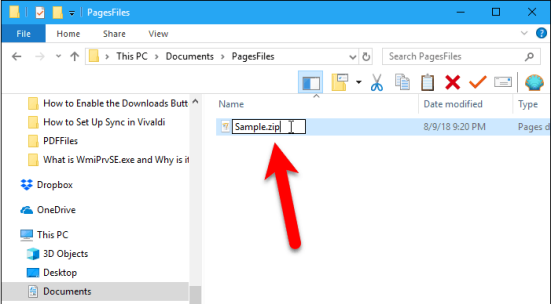
Step 3: Change the file extension from .pages to .zip. Example: Resume.pages → Resume.zip
If file extensions aren’t visible, enable them by opening File Explorer, then going to View > Show > File name extensions.
Step 4: Press Enter and confirm the rename if prompted.
Step 5: Right-click the new .zip file and select Extract All.
Step 6: After extraction, open the extracted folder and navigate to the QuickLook folder.
Step 7: Inside QuickLook, you’ll usually find a PDF preview or image thumbnails of your document.
Pros & Cons:
- ✔️No internet required—ideal for offline access.
- ✔️Fast and simple—doesn’t need any tools or software.
- ✔️Lets you view a read-only version of the document (great for urgent access).
- ❌You can’t edit the document—just preview it.
- ❌No formatting control—you may only see part of the document.
- ❌Doesn’t work with all .pages files—especially newer or heavily formatted ones.
If you’re also dealing with a password-protected ZIP file and unsure how to open it without the password, you can check out our guide on How to Open a Password Protected ZIP File Without the Password for detailed steps and solutions.
✅Convert the File Using Free Online Tools
Free online file converters make it easy to turn .pages files into Word or PDF formats. This method is especially handy if you don’t want to use Apple or Google accounts. Some trusted online tools include:
- Online-Convert
- CloudConvert
- Zamzar
How to Do It (Step-by-Step):
Step 1: Open your web browser and go to a trusted converter site like CloudConvert.
Step 2: Click Select File and upload your .pages file from your computer.
Step 3: Choose the output format you want, such as .docx (Word) or .pdf.
Step 4: Click Convert and wait for the conversion process to finish.
Step 5: Download the converted file to your PC and open it with the appropriate application.
Pros & Cons:
- ✔️Simple and intuitive—no learning curve.
- ✔️Supports various formats—including Word, PDF, and more.
- ✔️Works on any device—PC, tablet, or mobile.
- ❌Privacy risk—avoid uploading confidential or sensitive documents.
- ❌File size limits—some sites cap uploads unless you pay.
- ❌Needs internet—not usable offline.
✅Use Google Drive + Google Docs
Already using Gmail or Google Drive? Then this method is a smooth and free way to open and edit .pages files using Google Docs—right in your browser.
How to Do It (Step-by-Step):
Step 1: Go to Google Drive and log in with your Google account.
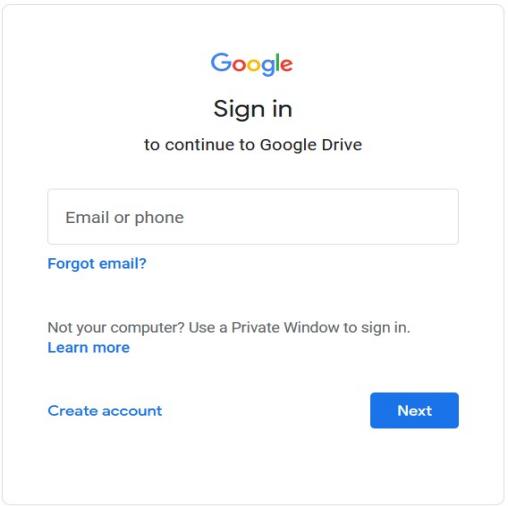
Step 2: Click the New button, select File upload, and choose your .pages file to upload.
Step 3: Once uploaded, right-click the file, then select Open with > Google Docs.
Step 4: The file will open in Google Docs, allowing you to view and edit its contents.
Step 5: To save the file on your Windows PC, click File > Download, then choose Microsoft Word (.docx) or PDF format.
Pros & Cons:
- ✔️Integrated with Google Workspace—easy for Gmail and Docs users.
- ✔️Great for collaboration—share and edit in real-time.
- ✔️Runs in the cloud—no software installation needed.
- ❌Formatting may be inconsistent—complex layouts might not transfer perfectly.
- ❌Requires a Google account—though it’s free.
- ❌Needs an internet connection—no offline option.
Frequently Asked Questions
Q1. Can I open a .pages file in Microsoft Word directly?
Not directly. You’ll need to first convert it to .docx using iCloud Pages, online tools, or Google Docs.
Q2. FAQ: Can I convert a .pages file to Word format without a Mac?
Yes! You can convert a .pages file to .docx (Word format) even if you don’t have access to a Mac. The easiest way is to use iCloud Pages through a web browser—just upload your .pages file, open it, and choose Download a Copy > Word. Alternatively, you can use free online converters like CloudConvert or Zamzar. These tools work directly in your browser and don’t require installing anything on your PC.
Q3. Can I install Pages on Windows?
No, Pages is only available for macOS and iOS. However, iCloud Pages is the closest web-based equivalent.
Q4. Are online file converters safe?
Reputable ones are generally safe, but avoid uploading confidential or sensitive documents. For privacy, use offline methods like renaming the file or iCloud Pages.
Q5. Why doesn’t Windows support .pages files natively?
It’s a proprietary Apple format, and Apple hasn’t released a Windows-compatible version of Pages.
Conclusion
Opening a .pages file on Windows may seem like a dead end at first, but as you’ve seen, there are plenty of effective, free workarounds. Whether you’re using iCloud Pages for a seamless online experience, converting with Google Docs, or renaming the file to view its contents, you now know how to open .pages file on Windows without needing a Mac. And if the file has gone missing, don’t forget tools like WinfrGUI can help you recover it easily. No more frustration—just quick fixes and smarter workflows!
🔗 Also Read: How to Open Unknown Files in Windows: 3 Quick Fixes
 MyRecover
 FoneTool
