
How to Retrieve Deleted Files Windows 10? 8 Proven Methods

Hey there! We’ve all been there—accidentally deleting important files on our Windows 10 device. Maybe it was that critical work document, a family photo, or a favorite video. Whatever it was, you probably thought it was gone for good. But don’t worry, you can still retrieve deleted files on Windows 10—and in more ways than one! In this article, we’re going to walk you through 8 simple, tried-and-tested methods to get your files back, whether they’re hiding in the Recycle Bin, backed up somewhere, or just waiting to be discovered with a little help from recovery software. Let’s dive in and get your files back where they belong!
Method 1:Recover Deleted Files from the Recycle Bin
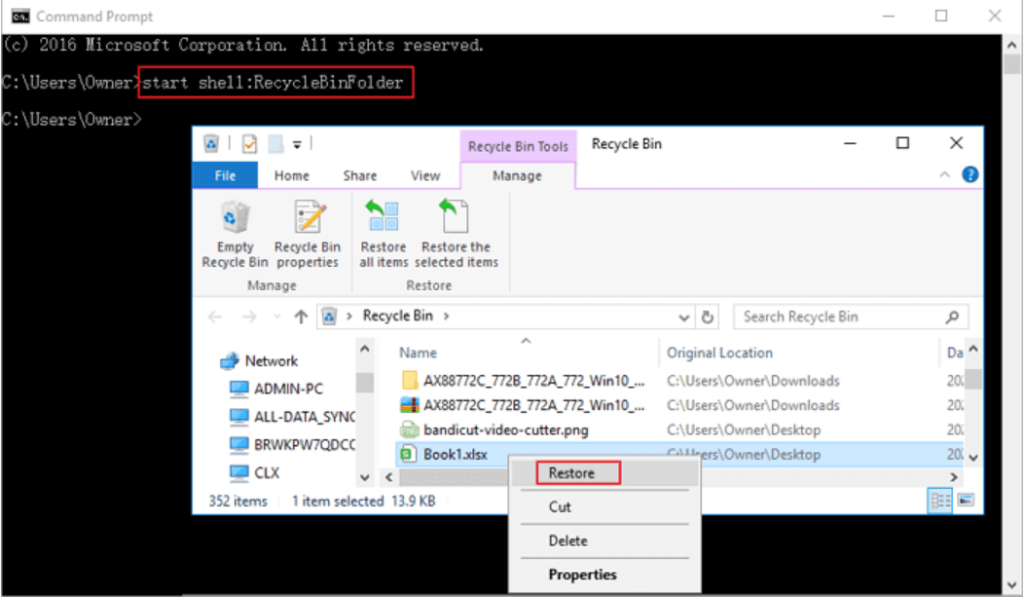
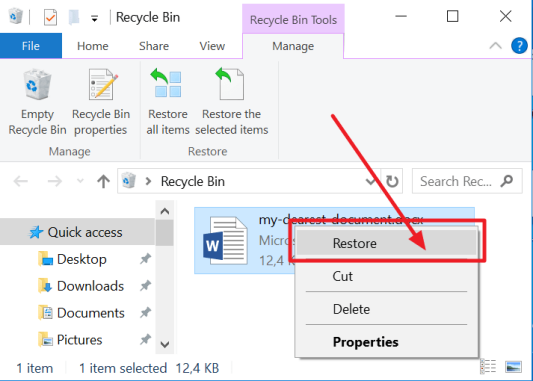
The Recycle Bin is Windows’ built-in safeguard for deleted files, making it the easiest place to recover files that haven’t been permanently erased. Steps to restore files from the Recycle Bin:
Step 1: Right-click the Recycle Bin icon on your desktop and select Open.
Step 2: Browse through the list of deleted files.
Step 3: Right-click the file you want to restore and select Restore. It will return to its original location.
If you’ve emptied the Recycle Bin or used the Shift + Delete shortcut, the files won’t be there, and you’ll need to use other methods.
Method 2: Restore Permanently Deleted Files Using CMD Prompt
If you want to permanently delete files without using a recycling tank, you can use the shortcut Shift + Delete. However, bear iIf you’ve accidentally used Shift + Delete, which bypasses the Recycle Bin, there’s still a chance to recover your files using built-in Windows tools. Steps to recover permanently deleted files using Command Prompt:
Step 1: After the check completes, type the following command (again, replace X with your drive letter) and press Enter:
ATTRIB -H -R -S /S /D X:
Step 2: Open the Start Menu and type cmd in the search bar.
Step 3: Right-click the Command Prompt result and select Run as Administrator.
Step 4: Type the following command (replace X with the drive letter of your hard drive) and press Enter:
chkdsk X: /f
Utilizing Command Prompt to recover deleted files can be complex and may not always yield results; consider using specialized data recovery software for a more straightforward solution.
Method 3: Restore Permanently Deleted Files from Old Backups
If you’ve been regularly backing up your files using Windows Backup or File History, you can restore previous versions of files. Steps to recover from backup:
Step 1: Open the Start Menu, type Backup, and select Backup settings.
Step 2: Under Looking for an older backup?, click Go to Backup and Restore (Windows 7).
Step 3: Click Select another backup to restore files from, then choose the backup drive containing your files.
Step 4: Follow the on-screen instructions to select and restore the files you need.
While the recovery process runs, avoid using your computer to prevent overwriting the deleted files you want to restore.
Method 4: Use the Windows File Recovery Tool
Windows 10 includes a powerful built-in command-line tool called Windows File Recovery that helps recover deleted files not found in the Recycle Bin. This tool is especially useful for deep recovery tasks.
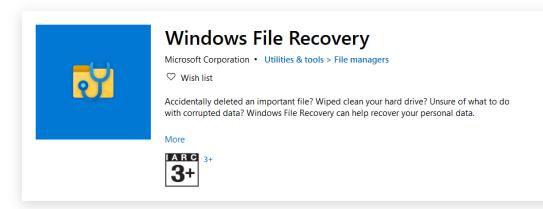
Steps to recover files using Windows File Recovery:
Step 1: Open Windows Terminal or Command Prompt as an administrator. To do this, right-click the Start button and select Windows Terminal (Admin) or Command Prompt (Admin).
Step 2: Prepare the command to recover files. The basic syntax is:
winfr [source drive]: [destination drive]: /n [file filter]
For example, to recover all .jpg files from drive C: and save them to drive D:, enter:
winfr C: D: /n *.jpg
Step 3: Execute the command. The tool will scan the source drive and recover matching files to a new folder named Recovered on the destination drive.
Step 4: After completion, check the Recovered folder on the destination drive for your restored files.
Confirm the recovery notification, and Windows File Recovery will start the recovery process.
Method 5: Use Data Recovery Software
If built-in tools like Windows File Recovery don’t find your lost files, third-party software such as WinfrGUI offers a user-friendly alternative to recover deleted files on Windows 10. How to recover files with WinfrGUI:
Step 1: Download WinfrGUI from the official website and install it following the on-screen instructions.
Step 2: Open the program and choose the drive where your deleted files were located.
Step 3: Start the scanning process and wait while WinfrGUI searches for recoverable files.
Step 4: Review the scan results, select the files you want to restore, and click Recover to save them to a safe location (preferably a different drive to avoid overwriting).
Method 6: Use File History to Restore Files
File History is a built-in Windows 10 feature that automatically backs up your files and allows you to restore previous versions of files and folders easily. Steps to restore files using File History:
Step 1: Open the Start Menu, type File History in the search bar, and press Enter.
Step 2: Browse through the backed-up files or folders to locate the deleted or previous version you want to recover.
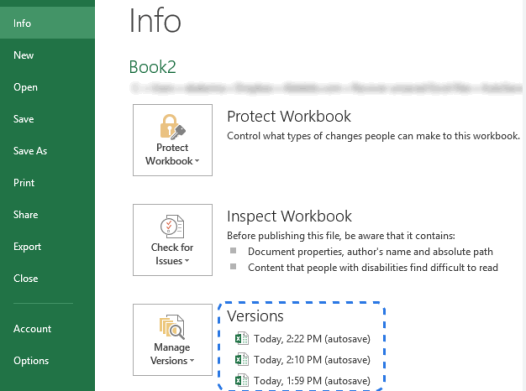
Step 3: Select the file or folder and click Restore to return it to its original location.
Method 7: Use the Previous Versions Restore Feature
Windows 10 includes a Previous Versions feature that lets you restore older versions of files or folders, which can be helpful if they have been accidentally modified or deleted. Steps to restore previous versions of files:
Step 1: Open the Start Menu, type System Protection, and press Enter.
Step 2: In the System Properties window, go to the System Protection tab.
Step 3: Select the drive you want to recover files from, then click Configure.
Step 4: Make sure System Protection is enabled for that drive. If it isn’t, turn it on and apply the changes to start creating restore points.
Step 5: Once enabled, right-click the file or folder you want to restore, and select Restore previous versions.
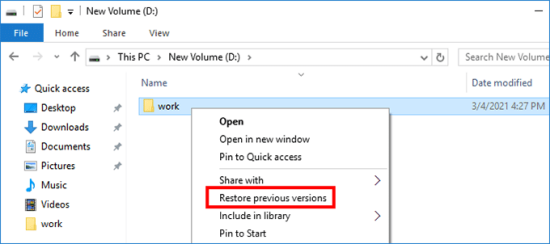
Step 6: From the list of available versions, choose the one you want to recover and click Restore.
Method 8: Restore Files from Google Drive
If your files are synced with Google Drive, you can easily recover deleted items from the cloud. Google Drive keeps deleted files in the Trash folder for up to 30 days before permanently removing them. Steps to recover deleted files from Google Drive:
Step 1: Open Google Drive in your web browser.
Step 2: On the left-hand panel, click Trash to view deleted files.
Step 3: Locate the file(s) you want to recover, right-click them, and select Restore.
Files deleted from Google Drive’s Trash can only be restored within 30 days, so be sure to act quickly if you need to recover something!
Conclusion
So, you’ve accidentally deleted something important on your Windows 10 device. No stress! In this article, we’ve shared 8 proven methods to help you retrieve deleted files on Windows 10, no matter how they disappeared. From checking your Recycle Bin to diving into backup options and even using recovery software, we’ve got all the tips you need to get your files back. Whether you’re a tech newbie or a seasoned pro, these easy-to-follow steps will guide you through the process and make file recovery a breeze. So, if you’ve lost something you really need, don’t panic—just follow the methods, and you’ll be back on track in no time!
🔗 Also Read: 3 Ways to Recover Deleted Excel Files Not in Recycle Bin
 MyRecover
 FoneTool
