
3 Ways to Recover Deleted Files Not In Recycle Bin

When you delete a file in Windows, the system doesn’t immediately erase its data. Instead, it removes the file’s reference from the file system and marks the space it occupied as available for new data. This means the actual content remains on the disk until it’s overwritten by new information. Understanding this process is crucial when attempting to recover deleted files not in the Recycle Bin. By acting promptly and using appropriate recovery methods, you can increase the likelihood of retrieving your lost data. However, certain actions can cause files to bypass the Recycle Bin entirely, making immediate recovery more challenging. This article aims to help readers understand why deleted files might not appear in the Recycle Bin and provides guidance on effective recovery methods in such scenarios.
Why Deleted Files NOT Appear in Recycle Bin
Many circumstances can prevent deleted files from going to the trash. Permanent delete options may be to blame. Recyclable tanks can block too-large files, harmful software, or damaged files not stored on USB devices or SD cards. We will explain these factors in depth in this essay. Quick consent!

Shortcuts for Shift + Delete
Windows recycle tanks save deleted files temporarily. A file deleted using the keyboard’s delete button is lost but stored in the trash. Emptying recycle tanks deletes the file permanently. The dumpster may not show deleted files due to many factors, including using the short Shift + Delete buttons. Short Shift + Delete deletes files and directories quickly without recycling crates. Delete unnecessary files with this brief bar to conserve system space.
The recycle bin is turned off.
Because the recycling tank is disabled, deleted files are not there. Many people disable the recycling tank to save storage space. Disabling it lets you evaluate the recycle tank settings for recommended options.
The file exceeds the recycle bin limit
The recycle tank will not store files larger than its maximum size. Set the Recycling Tank property’s maximum file size for deletion. When deleting a file larger than the set size, a notice will indicate that it will be permanently deleted instead of trashed.
The main reason deleted files aren’t in the trash is this. Let’s examine how to restore non-recycled trash files.
Way 1. Recover from Previous Versions
Windows offers built-in recovery options like File History and System Restore to help you retrieve earlier versions of files that were lost or overwritten.
Step 1: Make sure File History or System Protection is enabled on your system so that Windows can automatically create restore points or file backups.
Step 2: Open File Explorer, go to the folder where your file was last located, then right-click the folder and select “Restore previous versions” from the context menu.
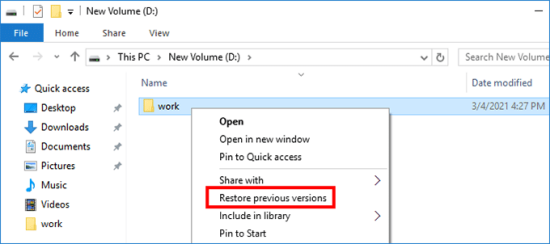
Step 3: In the dialog that appears, review the list of available backup versions or restore points, select the one created before the file was lost, and click “Restore” to recover it to its original location.
Ensure that File History or System Protection is enabled beforehand so that these backups are available. Also Read How to Retrieve Deleted Files from Recycle Bin
Way 2. Recover Deleted Files with WinfrGUI
WinfrGUI is a reliable tool for recovering lost files. This user-friendly software is designed to permanently recover deleted data, even those that have entered the trash. It has a high success rate, making it more likely to recover your useless data than traditional approaches. Quick action is needed because long-term computer use diminishes file recovery prospects. Many software solutions exist, but WinfrGUI is the best. Designed for Windows. This sophisticated program recovers files from computers, recover recently closed word document, USB drives, digital cameras, and memory cards. This easy pair will guide you through WinfrGUI recovery:
Step 1. Download and install WinfrGUI on your Windows PC by following the on-screen instructions.
Step 2. Launch WinfrGUI and select the drive where your missing files were last located.
Step 3. Choose the appropriate recovery mode (Quick Scan, Deep Scan, etc.) to begin scanning for lost files.
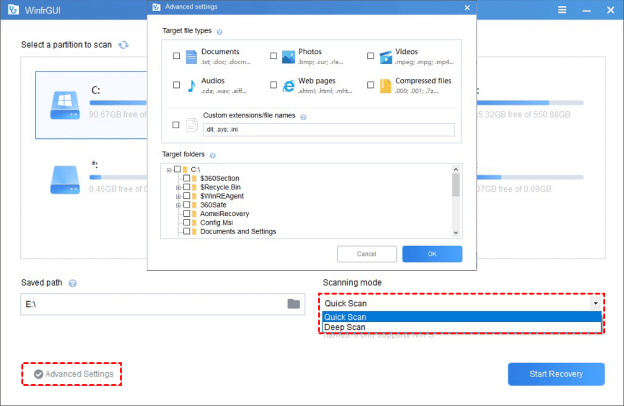
Step 4. Once the scan completes, preview recoverable files using WinfrGUI’s built-in file viewer to confirm what you want to restore.
Step 5. Select the files and folders you want to recover, then click the recovery button to save them to a safe location.
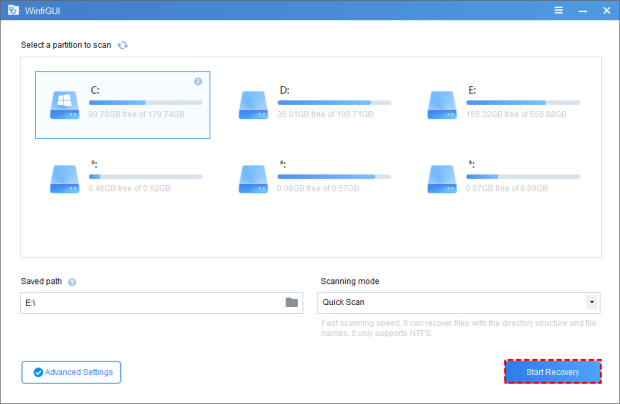
You can easily recover deleted files that were gone forever by following these simple steps. The problem was data recovery with WinfrGUI. Give Windows users an affordable, trustworthy option.
Way 3. Recover from Windows Backup File
Finally, you can also use the Windows backup feature to recover deleted files from the recycling tank. This method only works if you create a backup. Here are the steps:
Step 1: Connect your external backup drive (or network location) to your Windows PC if the backup is stored externally.
Step 2: Press Windows + I to open Settings, then go to Update & Security > Backup.
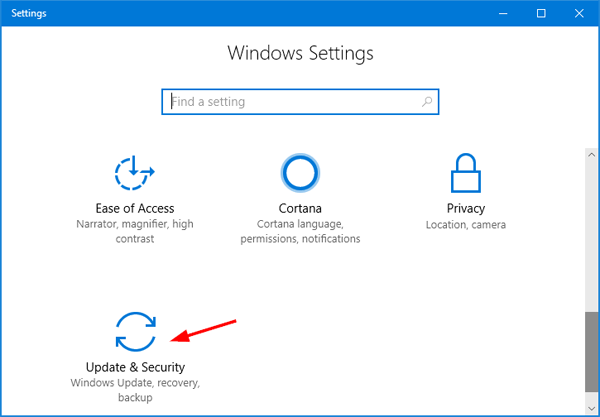
Step 3: Click “Go to Backup and Restore (Windows 7)” under the “Looking for an older backup?” section.
Step 4: In the Backup and Restore window, click “Restore my files”, then follow the prompts to browse and recover the deleted files from your backup.
Following these steps will enable you to recover deleted files from recycling crates using Windows backup features. Also Read Google Backup Photos Restore: Step-to-step Guide
FAQs to Recover Deleted Files Not In Recycle Bin
Q1. Why aren’t my deleted files in the Recycle Bin?
They may have been permanently deleted using the Shift+Delete shortcut, deleted from an external device that bypasses the Recycle Bin, or removed due to a disabled/overflowing Recycle Bin setting.
Q2. Can data recovery software restore files that aren’t in the Recycle Bin?
Yes. Recovery tools scan the disk for remnants of deleted files, provided the file data hasn’t been overwritten. Acting quickly improves recovery success.
Q3. How do I use Windows “Restore previous versions” feature?
Right-click the folder where the file was stored, select “Restore previous versions,” preview the available backups or restore points, and then choose a version that contains the file to restore it.
Q4. Can cloud backups help in recovering deleted files?
Absolutely. Services like Google Drive, OneDrive, or Dropbox usually maintain a trash or deleted items folder where files remain for a set period, allowing you to restore them.
Q5. What should I do immediately after accidentally deleting a file?
Stop using the affected drive to prevent new data from overwriting the deleted file, then promptly try recovery through backup restoration or data recovery software.
Summary
To sum up this article, there are several ways to recover deleted files that are not in the recyclable cistern. If you have a backup, recovering deleted items will be easier. However, if you do not have backup. Using professional data recovery software, such as WinfrGUI is the fastest way out. This software has free download and scan, allowing you to test its performance before deciding to buy.
🔗 Also Read: How to Recover Files from the Recycle Bin After Empty (Windows 10)
 MyRecover
 FoneTool
