
4 Methods to Retrieve Data From USB Stick


When you need to retrieve data from a USB stick—whether it’s a USB flash drive, pen drive, or external USB with USB 4.0/3.0/2.0 ports—knowing the best recovery methods is key. This guide covers four effective ways to recover lost files from your USB device. The most reliable approach is using dedicated USB recovery software, which can recover up to 99.7% of lost files caused by accidental deletion, formatting, or RAW file system issues. If you have backups, restoring files from them is quick and efficient but depends on how recent the backup is. Without backups, you can try recovering previous versions of your files, though success rates vary. Lastly, using Command Prompt (CMD) can help reveal hidden files but requires advanced knowledge and has limited recovery ability. With these options, you’ll be well-equipped to retrieve data from your USB stick safely and effectively.
Preparing for USB Data Recovery
Losing files on a USB drive can be frustrating, but acting quickly can improve your chances of successful recovery. First, as soon as you notice missing data, stop using the USB drive immediately—continued use risks overwriting lost files, making recovery impossible. Avoid saving new data or running programs on the affected USB device. Instead, choose one of the four USB data recovery methods outlined earlier, each suited to different situations and file loss causes. By following the right approach, you maximize the likelihood of retrieving your important files safely. Now, let’s dive into the detailed steps for each USB recovery method so you can start recovering your data with confidence.
Method 1: Retrieve Data From USB Stick with Backups
If you’ve been proactive and made backups of your USB drive, recovering lost files becomes much easier and faster. Here’s how you can restore your data from a backup:
Step 1: Find where your backup is saved—this could be on your computer, an external hard drive, or even cloud storage like OneDrive or Google Drive.
Step 2: Look through the backup files and find the ones you’re missing or want to restore.
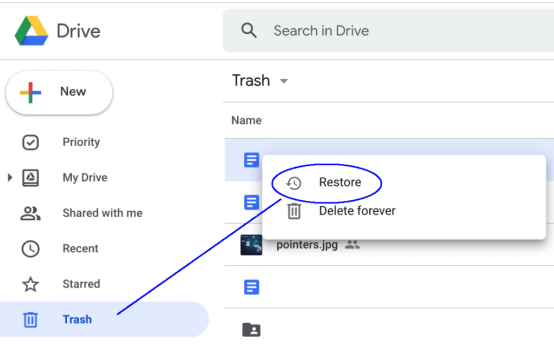
Step 3: Simply copy those files and paste them back onto your USB stick—or save them somewhere safe if you want to keep a backup copy.
If you don’t have a backup available, don’t worry—simply try one of the other recovery methods, like using USB recovery software such as WinfrGUI, which can help you retrieve lost data even without backups.
Method 2: USB Data Recovery Software
This method is ideal for users of all skill levels, especially beginners. Using specialized USB recovery software like WinfrGUI can help you quickly locate and restore your missing files. Here’s a detailed walkthrough:
Step 1: Download and install WinfrGUI from the official site. Launch the program, then select your USB drive as the target for scanning.
Step 2: Once the scan finishes, use the Filter and Search tools to narrow down the results by file type, date, or name, making it easier to locate your lost files.
Step 3: Select the files you want to recover, then click “Recover.” Be sure to save these recovered files to a safe folder on your computer—not back to the USB drive—to avoid overwriting data.
After recovery, it’s a good practice to back up your files and format the USB drive to restore its health and prevent future data loss. If your USB drive is physically damaged or unreadable, check out our guide on 6 Methods to Recover Files From Broken USB Drive for additional recovery options.
Method 3: Retrieve Data From USB Stick from Previous Version
Windows has a handy feature called Previous Versions, which automatically saves snapshots of your files and folders as part of restore points or backups. This can sometimes help you recover lost or deleted files from your USB drive, though it’s not guaranteed. Here’s a detailed guide:
Step 1: Connect your USB drive to your computer and make sure it’s recognized.
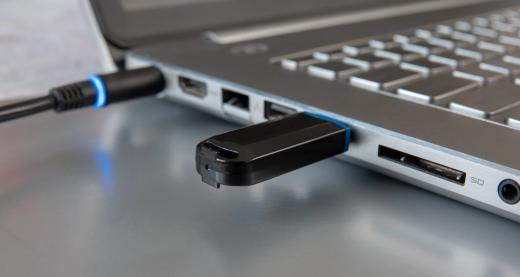
Step 2: Open File Explorer and navigate to “This PC,” then right-click on your USB drive and select “Properties.”
Step 3: In the Properties window, click the “Previous Versions” tab. You’ll see a list of available snapshots or backups of your USB drive’s contents from different dates.
Step 4: Browse through the list, select a version dated before you lost your files, and click “Restore” to recover the entire drive to that state. Alternatively, click “Open” to view the contents first and selectively copy files you need.
Step 5: Once restored, safely eject your USB drive and check that your files are back.
This method relies on having System Protection or File History enabled beforehand. If no previous versions appear, consider other recovery options.
Method 4: Retrieve Data From USB Stick Using CMD
If your files have gone missing due to a virus infection—where they’re hidden but not deleted—you can use Command Prompt (CMD) to recover them. This method is best suited for advanced users who are comfortable with command-line tools. It won’t recover permanently deleted files, but it’s effective for making hidden files visible again.
Step 1: Connect your USB flash drive to your computer and make sure it’s recognized.
Step 2: Press Win + S, type cmd, right-click on Command Prompt, and choose Run as administrator.
Step 3: In the command window, type the following and press Enter:
attrib -h -r -s /s /d E:\*.*
Replace E: with the actual drive letter of your USB stick.
After the command runs, any hidden files on the USB drive should reappear. Be sure to run a virus scan afterward to remove any malware that may have caused the issue. For more advanced recovery steps, see Recover Permanently Deleted Files Windows 11 Using CMD.
Retrieve Data From USB Stick: Frequently Asked Questions
Q1: Can I recover damaged files from USB drives?
Yes, you can use a USB recovery program like WinfrGUI to recover corrupted files. Just install your USB drive scanner software, find corrupt files using filters or search options and recover them.
Q2: Is USB image recovery possible for damaged USB drives?
Yes, you can use the photo recovery tool to recover data from damaged USB drives. However, bear in mind that physical damage to the drive can make it difficult to restore data, and it is best to seek professional help in such cases.
Q3: What is the best USB Recovery Tool?
There are several USB recovery tools available. Some of the popular ones include WinfrGUI, Disk Drill, Recuva, R-Studio, Remo Recover, TestDisk and Puran Data Recovery.
Q4: Can I fix the USB flash drive on my computer?
Yes, you can fix USB flash drives on your computer using a USB repair tool, professional repair service or CMD. Using CMD means checking and repairing USB drives using the CHKDSK command. Losing data can be a disappointing experience, but with the right knowledge and tools, you can successfully retrieve data from usb stick. Do not forget to take precautions such as backing up your data and use reliable recovery software to ensure data security.
Q5: Why did my USB files suddenly disappear?
This can happen due to virus infections, hidden file attributes, file system errors, or accidental deletion. A virus scan or recovery tool can help bring your files back.
Q6: Is it safe to recover data from a USB drive at home?
Yes, as long as the USB isn’t physically damaged, it’s generally safe. Avoid writing new data to it, and use trusted recovery software like WinfrGUI to avoid further data loss.
Conclusion
So, there you have it—four solid ways to retrieve data from a USB stick. Whether you accidentally deleted files, ran into a formatting issue, or just can’t find your stuff anymore, don’t panic. You’ve got options. If you’re looking for something quick and super easy, I’d definitely recommend trying WinfrGUI. It’s free, beginner-friendly, and works great across different file types and USB drives. Of course, if you’ve got backups, use them—that’s always the fastest fix. But even if you don’t, the other methods we covered (like using previous versions or CMD) might still help you get your files back. And hey, once you’ve recovered your files, make sure to back them up so this doesn’t happen again. A little prevention goes a long way. Losing data sucks—but with the right tools, you can totally bounce back. You’ve got this!
🔗 Also Read: How to Create a Windows 11 Recovery USB (2025 Guide — 3 Fast & Easy Methods)
 MyRecover
 FoneTool
