
How to Perform System Restore Windows 10 from Boot

Let’s be honest—when your PC starts acting up and you have no idea why, it’s stressful. I’ve been there. I’ve faced the spinning wheels, frozen screens, or unexplained system glitches that just won’t go away. And when troubleshooting doesn’t work? That’s when using System Restore Windows 10 from boot becomes your lifeline.
In this guide, I’ll walk you through how to access and use System Restore from the boot menu—plus how to set it up properly in the first place. I’ll also share a few personal tips and tools I rely on, like WinfrGUI, to protect my data along the way.
What Is System Restore in Windows 10?
System Restore is a recovery tool in Windows that lets you revert your system files, drivers, and registry settings to a previous state—called a restore point. Think of it like a time machine for your system—not your personal files.
It’s especially useful when:
- Windows becomes unstable after installing new software or drivers.
- You want to undo changes caused by a recent update.
- Malware or corrupted settings break key functions.
📝In my experience, System Restore has helped me recover from a broken driver installation and a corrupt registry edit—without reinstalling Windows.
How to Enable System Restore (If It’s Not Already Turned On)
System Restore is a lifesaver—but only if it’s enabled. On most systems, it’s turned on by default for the main drive. But sometimes, after a major update or a clean install, it gets turned off without you realizing. Here’s how to check and enable it manually.
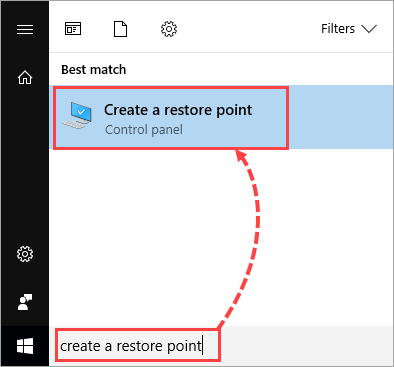
Step1: Open System Protection settings
- Press
Win + Sto open Windows Search. - Type Create a restore point and click the matching result.
- This opens the System Properties window directly at the System Protection tab.
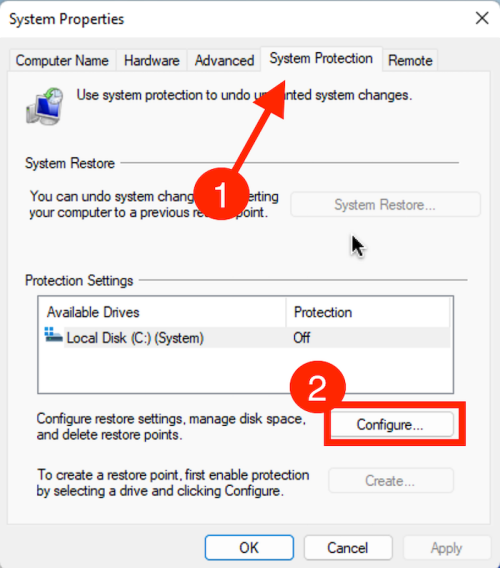
Step2: Check protection status
- In the list under Protection Settings, find your system drive (usually labeled as C: (System)).
- If Protection is Off, click to highlight that drive, then click Configure.
Step3: Enable protection and set disk usage
- Select Turn on system protection to activate restore point creation for your system drive.
- Adjust the Max Usage slider to allocate disk space for storing restore points.
- Click Apply, then OK to save your settings.
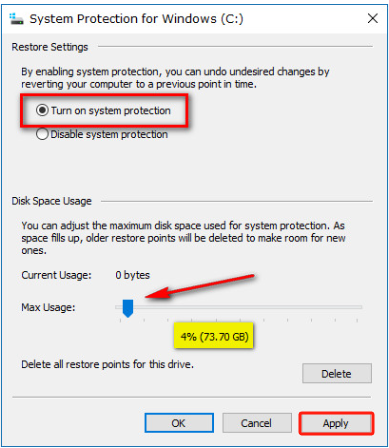
💡 Allocating 5% to 10% of your drive space is usually sufficient, unless you want to keep a longer history of restore points.
(Optional but Recommended): Create your first restore point
- Click Create, and wait a few seconds for confirmation.
- Still on the System Protection tab, click the Create… button.
- Give it a name like “Initial Setup” or “Before driver update”.
Before using System Restore to fix your PC, make sure System Protection is turned on and you have created at least one restore point. Without this, you won’t be able to roll back. Once set up, you’re ready to recover your system when issues occur. Let’s explore different ways to launch and use System Restore, including system restore Windows 10 from boot for when your PC won’t start normally.
Method 1: Use System Restore from Windows Settings
If your system still boots (even occasionally), try accessing System Restore through Windows Settings. Steps:
Step 1: Go to Settings > Update & Security > Recovery.
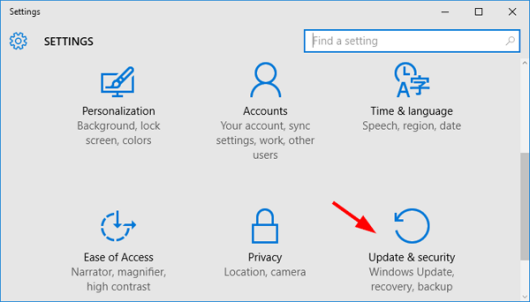
Step 2: Under Advanced Startup, click Restart now.
Step 3: After your PC reboots to the blue menu, go to Troubleshoot > Advanced options > System Restore.
Step 4: Choose your account and enter the password if prompted.
Step 5: Pick a restore point from the list, then follow the instructions to roll back your system.
📝This method works only if you can still boot into Windows or access its recovery environment.
Method 2: Use System Restore from Within Windows
This is the quickest way to restore your system if Windows is still functional. Steps:
Step 1: Press Win + S, type “System Protection” or “Create a restore point”, then click the matching result.
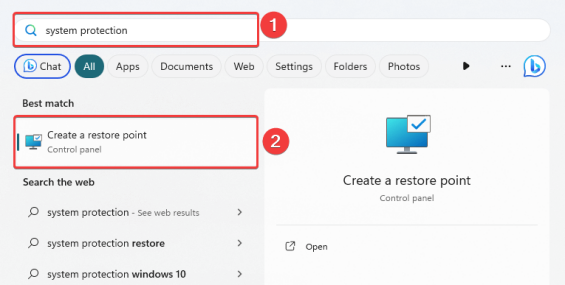
Step 2: Click the System Restore button. Then click Next on the welcome screen.
Step 4: Select a restore point from the list (ideally one created before your system issues started).
Step 5: Click Next, then Finish, and confirm.
⏳ Your PC will restart and begin the restore process, which usually takes 10–20 minutes.
Method 3: Use System Restore When Windows Won’t Boot
If your PC refuses to start at all, don’t panic. You can still access System Restore through the Windows Recovery Environment (WinRE). Steps:
Step 1: Power off your PC completely.
Step 2: Turn it on and, as soon as you see the Windows logo, press and hold the power button again to force shutdown.
Step 3: Repeat the power-on + force-shutdown cycle 3 times. On the third boot, Windows should load the Recovery screen.
Step 4: Go to Troubleshoot > Advanced Options > System Restore.
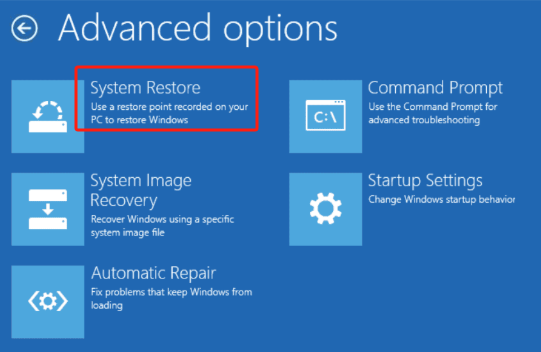
Step 5: Select your account, enter your password, and choose a restore point.
If this doesn’t work, try booting with a Windows 10 installation USB and access System Restore from there.
What If System Restore Fails?
It’s really frustrating when System Restore doesn’t do the trick—whether you have no restore points, the restore process fails, or your system is too damaged to recover normally. But don’t give up just yet! You can still try system restore Windows 10 from boot to access deeper recovery options, or use reliable data recovery tools to get your files back.
Why System Restore Might Fail:
- No restore points were created beforehand.
- Restore points got corrupted or deleted.
- System files or settings are too damaged.
- Unexpected errors during the restore process.
Next Steps: Use Data Recovery Tools
When System Restore isn’t an option, data recovery software can be a lifesaver to help you recover important files and documents. Here’s why I recommend WinfrGUI:
- Works on Multiple File Types — Documents, photos, videos, and more.
- Free and Reliable — Built on Microsoft’s official Windows File Recovery engine.
- User-Friendly Interface — No need to use complicated command lines.
- Effective File Recovery — Can recover deleted, lost, or corrupted files even after system crashes or resets.
Common Issues & Fixes
| Problem | Solution |
|---|---|
| No restore points listed | Check if System Protection is enabled for your drives. |
| System Restore fails with error | Boot into Safe Mode and try again. |
| Stuck on “Restoring files” | Be patient; it can take longer on HDDs. If frozen for 1+ hour, force shutdown and retry in Safe Mode. |
| System Restore not available | Use alternative methods like Reset this PC or repair tools. |
Final Thoughts
Using system restore windows 10 from boot menu is a powerful way to fix issues without losing personal data or reinstalling everything. I always recommend turning it on proactively, so you’re ready when problems arise. And if you’re ever in a bind where System Restore doesn’t cut it, don’t panic—WinfrGUI has personally helped me rescue files more than once. Got any questions or need help walking through these steps? Let me know—I’ve been down this road and happy to help others avoid the same headaches.
🔗 Also Read: How to recover recently deleted files windows 10.
 MyRecover
 FoneTool
