
What to Do When Word is Not Responding: Simple Solutions 2026

I was once deep into drafting an important report in Microsoft Word, and suddenly it froze. My heart sank as I stared at the spinning wheel, wondering, “What do I do when Word is not responding?” If you’ve experienced this, you know the mix of frustration and panic that can strike, especially when deadlines loom. Even in 2026, Microsoft Word remains one of the most powerful word-processing tools, but software glitches, system conflicts, or large document sizes can still cause it to stop responding. Over the years, I’ve learned a few quick and reliable ways to troubleshoot these issues, and in this guide, I’ll share practical solutions that can get Word back on track and restore your work efficiently. Keep reading to learn how to resolve Word’s responsiveness problems, step by step.
Key Takeaways
- Microsoft Word can freeze or stop responding, even in 2026, due to large files, add-ins, outdated software, or low system resources.
- Wait a few minutes before closing Word — sometimes it recovers on its own.
- Safe Mode helps identify if add-ins or settings are causing problems.
- Keep Word and Windows updated to prevent bugs and crashes.
- Repair or reinstall Word if basic fixes don’t work.
- Clear temporary files or caches to improve performance.
- Using built-in AutoRecover features or tools like WinfrGUI to avoid losing important work.
- Close other programs and check system resources to avoid freezes.
- Regular backups and AutoSave can protect your work from unexpected crashes.
- Troubleshoot step by step: start simple, then move to advanced solutions if needed.
Common Causes of Word Not Responding
1. System Overload and Resource Constraints
When your computer is running too many programs at once, or if it has low RAM or nearly full storage space, Microsoft Word may slow down or freeze due to insufficient resources.
2. Software Bugs or Glitches
Using outdated or buggy versions of Word can cause the program to freeze, crash, or perform slowly because of unresolved software issues.
3. Conflicts with Add-ins or Extensions
Add-ins or third-party extensions installed in Word can sometimes interfere with its normal operation, causing it to hang or become unresponsive.
4. Corrupted Documents or Files
Trying to open or edit damaged or corrupted Word documents can lead to the program becoming unresponsive or crashing.
5. Outdated Software
Running older versions of Microsoft Word or the Windows operating system without the latest updates can result in compatibility problems and cause Word to stop responding.
Basic Solutions for Microsoft Word is Not Responding
If Microsoft Word suddenly freezes or stops responding, it can be super frustrating—especially when you’re in the middle of important work. Before you panic, try these simple and effective steps to get Word back up and running smoothly.
Solution 1. Wait a Moment — Give Word Some Time to Respond
Step 1: When you notice “Not Responding” in the status bar or window title, avoid closing Word right away.
Step 2: Be patient and wait a few minutes—Word may be busy completing a complex task or handling a large file.
Step 3: In many cases, Word will recover and become responsive again after this brief pause.
If Word frequently becomes unresponsive during large tasks, consider breaking your document into smaller sections or closing other programs to free up system resources.
Solution 2. Force Quit Word and Restart It
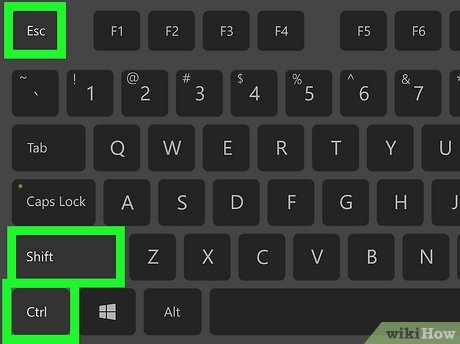
Step 1: Press Ctrl + Shift + Esc to open the Task Manager.
Step 2: Find Microsoft Word in the list of running applications.
Step 3: Right-click on Word and select End Task to force it to close.
Step 4: Open Microsoft Word again and check if it runs properly.
Before force quitting, try saving any other open work in other programs to avoid losing data, and consider restarting your computer if Word continues to freeze after reopening.
Solution 3. Check for Software Updates
Step 1: Open Microsoft Word.
Step 2: Click File → Account → Update Options → Update Now.
Step 3: Wait for Word to check for and install any updates.
Step 4: Next, open Windows Settings → Update & Security → Windows Update.
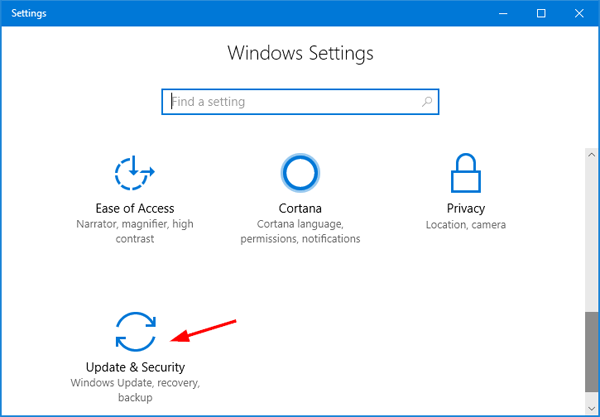
Step 5: Install any pending Windows updates, then restart your PC and try opening Word again.
Keeping both Word and Windows up to date helps fix bugs and improve performance, reducing the chances of freezes or crashes.
Solution 4. Start Word in Safe Mode
Step 1: Hold down the Ctrl key on your keyboard.
Step 2: While holding Ctrl, click to open Microsoft Word.
Step 3: When prompted, click Yes to launch Word in Safe Mode.
Step 4: If Word works fine in Safe Mode, go to File → Options → Add-ins.
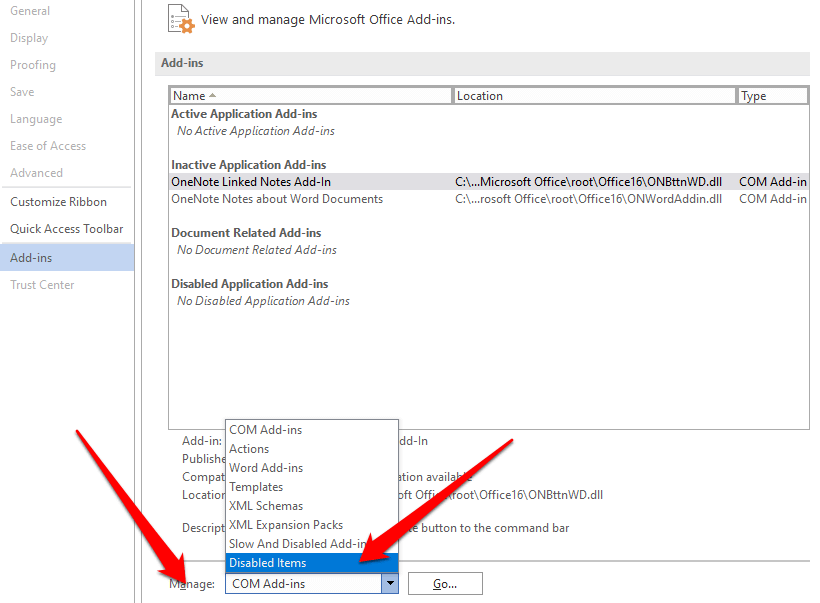
Step 5: Disable any suspicious or recently installed add-ins, then restart Word normally.
Safe Mode helps isolate problems caused by add-ins or custom settings. If Word runs smoothly here, removing or updating problematic add-ins usually solves the issue.
Solution 5. Repair Microsoft Word
Step 1: Open Control Panel → Programs and Features (or Settings → Apps).
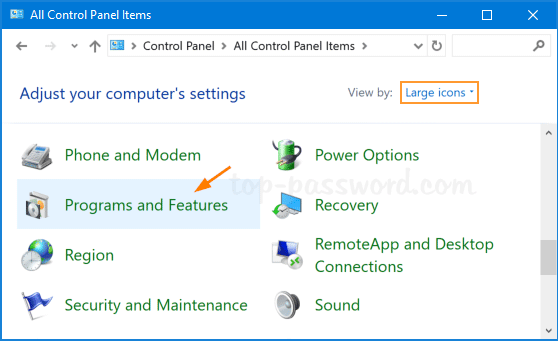
Step 2: Locate Microsoft Office in the program list.
Step 3: Select it and click Change.
Step 4: Choose Quick Repair first and follow the prompts.
Step 5: If Quick Repair doesn’t work, repeat and select Online Repair for a deeper fix.
Quick Repair fixes common issues quickly without needing an internet connection, while Online Repair takes longer but can resolve more serious problems by reinstalling files. Always back up your work before repairing.
Solution 6. Clear Word’s Cache Files
Step 1: Close Microsoft Word completely.
Step 2: Open File Explorer and navigate to C:\Users\[Your Username]\AppData\Local\Microsoft\Office\Word.
Step 3: Delete any temporary or cache files in this folder.
Step 4: Restart Microsoft Word and check if the issue is resolved.
Clearing cache files can free up space and remove corrupted temp data that might cause freezing or crashes. If you don’t see the AppData folder, make sure hidden files are visible in File Explorer settings.
Solution 7. Open and Recover Unsaved Documents
Step 1: Open Microsoft Word.
Step 2: Click File → Open → Recent → Recover Unsaved Documents.
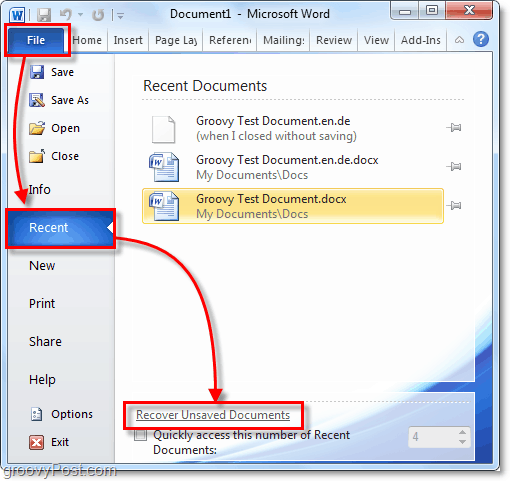
Step 3: Browse the list for your unsaved file.
Step 4: Select the file and click Open.
Step 5: Save the recovered document immediately using File → Save As.
Act quickly to save recovered files in a new location to avoid overwriting any existing documents. Also, regularly enable AutoSave or set AutoRecover intervals to minimize future data loss.
Advanced Solutions for Microsoft Word is Not Responding
If you’ve tried the basic troubleshooting steps and Microsoft Word is still not responding, it’s time to explore some advanced solutions. These methods address more complex issues like corrupted files, system conflicts, or deeper software glitches. Here’s how to move forward:
Solution 1: Repair Microsoft Office Installation
A corrupted Office installation can cause Word to freeze or crash. Repairing the installation often fixes these issues:
Step 1: Open Control Panel and navigate to Programs → Programs and Features.
Step 2: Find and select Microsoft Office in the list.
Step 3: Click Change, then choose Quick Repair to fix common problems quickly.
Step 4: If issues persist, repeat and select Online Repair for a more thorough fix. This requires an internet connection.
Before repairing, save your work and close all Office applications. Also, running a repair won’t affect your documents, but it can reset some settings—so be prepared to reconfigure any customizations.
Solution 2: Disable Hardware Graphics Acceleration
Graphics acceleration can sometimes cause performance issues in Word. Disabling it might improve responsiveness:
Step 1: Open Microsoft Word.
Step 2: Go to File → Options → Advanced.
Step 3: Scroll down to the Display section and check the box for Disable hardware graphics acceleration.
Step 4: Restart Word to apply the change.
Disabling hardware graphics acceleration can help resolve display glitches and freezes, especially on older or incompatible graphics drivers. If you notice any visual issues after disabling, you can always re-enable it.
Solution 3: Start Word in Safe Mode
Safe Mode disables add-ins and custom settings that may cause Word to hang:
Step 1: Hold down the Ctrl key and click on the Word icon to launch it in Safe Mode.
Step 2: Observe if Word runs normally.
Step 3: If it does, go to File → Options → Add-ins and disable or remove suspicious add-ins.
Step 4: Restart Word normally to see if the issue is resolved.
Starting in Safe Mode helps identify if add-ins are causing the problem. Disabling unnecessary or recently added add-ins often fixes crashes and freezes.
Solution 4: Perform a Clean Boot to Identify Software Conflicts
Other programs or background services can interfere with Word. A clean boot isolates and disables them temporarily:
Step 1: Press Windows key + R, type msconfig, and press Enter.
Step 2: In the System Configuration window, select the Services tab.
Step 3: Check Hide all Microsoft services to avoid disabling essential system services.
Step 4: Click Disable all to turn off non-Microsoft services.
Step 5: Switch to the Startup tab and click Open Task Manager.
Step 6: Disable all unnecessary startup items in Task Manager.
Step 7: Close Task Manager, click OK in System Configuration, then restart your PC.
Step 8: Try opening Word again to check if the problem persists.
A clean boot helps pinpoint if background apps or services are causing Word to freeze or crash. If Word works fine after this, you can re-enable services one by one to find the culprit.
Solution 5: Use WinfrGUI to Recover Lost or Corrupted Documents
If Word crashes caused loss of documents, WinfrGUI can help you recover them:
Step 1: Download and install WinfrGUI on a different drive than where your lost documents were stored (to avoid overwriting data).
Step 2: Launch WinfrGUI and select the drive containing the lost Word files.
Step 3: Choose file types to recover, such as .docx, .asd, and .tmp.
Step 4: Click Quick Scan and wait for the tool to find recoverable files.
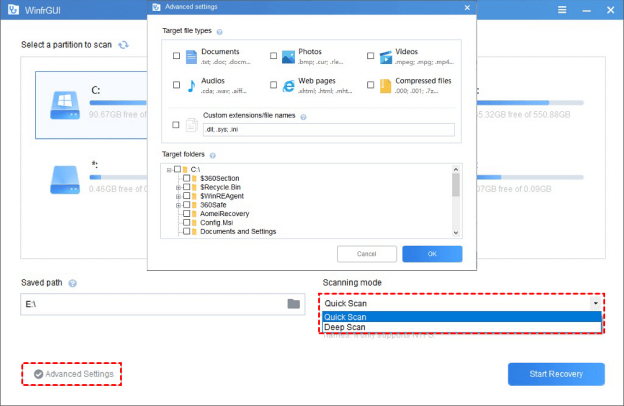
Step 5: Preview and select files to Start Recovery.
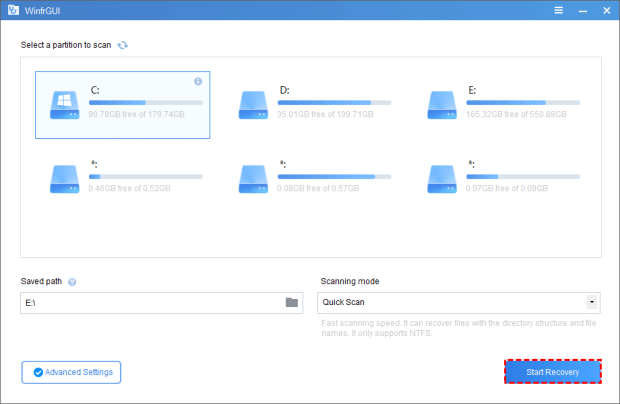
Step 6: Save recovered files to a safe location, ideally on a different drive.
WinfrGUI offers a straightforward, no-fuss method for recovering unsaved or lost documents when Word is unresponsive, saving you from the headache of permanent data loss.
Solution 6: Reset or Reinstall Microsoft Word
If all else fails, resetting or reinstalling Word may be necessary:
Step 1: Open Control Panel and go to Programs → Programs and Features.
Step 2: Select Microsoft Office and click Change.
Step 3: Choose Repair or Reset to restore Word settings and fix corrupt files.
Step 4: If issues persist, uninstall Microsoft Office completely.
Step 5: Reinstall Office fresh from the official source.
Before reinstalling, back up your important documents and settings to avoid any accidental data loss.
Troubleshooting FAQ
Q1: Why does Microsoft Word freeze when I open certain documents?
Large or complex documents with many images, tables, or embedded objects can cause Word to slow down or freeze. Also, documents created in older versions or with incompatible add-ins might cause issues. Try opening the file in Safe Mode or copying the content to a new document to isolate the problem.
Q2: How can I check if an add-in is causing Word to freeze?
Open Word in Safe Mode by holding Ctrl while launching the program. If Word works fine in Safe Mode, an add-in is likely the culprit. Disable add-ins one by one via File → Options → Add-ins, then restart Word after disabling each to identify which causes the issue.
Q3: What should I do if Word freezes during printing?
Check your printer drivers and update them if needed. Also, try printing the document as a PDF first or printing in smaller batches. Corrupted printer drivers or large print jobs can cause Word to hang.
Q4: Can insufficient system resources cause Word to stop responding?
Yes, low RAM or storage space can cause Word to become unresponsive, especially when working with large files. Close unnecessary programs, free up disk space, and consider upgrading your hardware if freezes persist.
Conclusion
Dealing with Word not responding can be frustrating, but as we’ve outlined, there are plenty of solutions to fix the issue quickly and easily. From restarting the program to checking your system settings or updating software, knowing what to do when Word is not responding can save you valuable time and frustration. By following these simple steps, you can ensure a smoother experience with Word in 2026 and beyond. Don’t let a freeze stop your productivity — apply these fixes and get back to working efficiently in no time!
🔗 Also Read: How to Recover Word Document That Was Not Saved: 2026 Guide
 MyRecover
 FoneTool
