
Microsoft Word Crashed? 3 Ways to Fix It on Windows

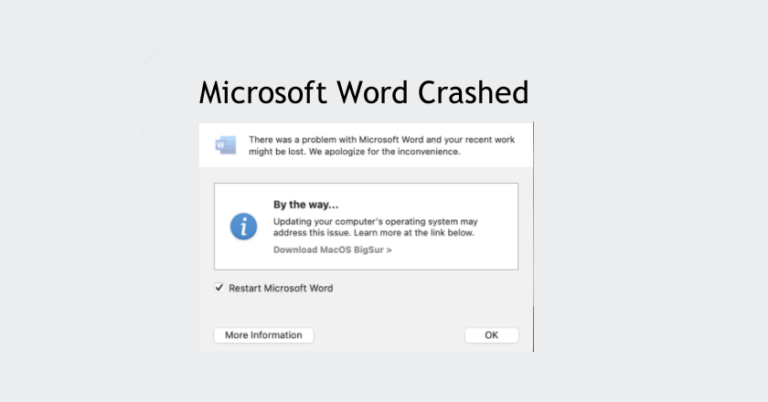
Has Microsoft Word ever crashed on you right before you hit save? It’s happened to me more times than I’d like to admit—and I know I’m not alone. As someone who relies on Word daily, those crashes can be incredibly frustrating. They waste my time, break my focus, and sometimes even cost me unsaved work. Whether it’s a corrupted file, outdated software, or a buggy add-in, I’ve seen how unpredictable Word can get. That’s why I put together this guide—to share the most common reasons behind Word crashes and exactly how I fixed them. I’ll also show you how to recover your lost documents if a crash already wiped out something important.
Why Does Microsoft Word Keep Crashing on Windows?
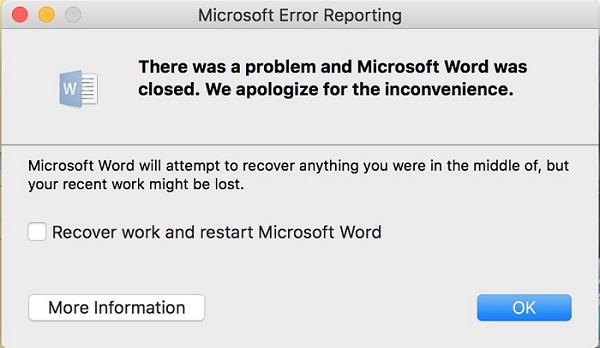
Before you can fix the issue, it’s important to understand what’s causing it. When Microsoft Word crashes, it often shows an error message prompting you to close the program due to a malfunction. Several common factors could be behind this:
- Outdated Word versions: Running an old version of Word can lead to compatibility issues and file corruption. Updating to the latest version often resolves these problems.
- Corrupted Word documents: Trying to open a damaged file can crash the software. Similarly, corrupted cache files may also cause Word to freeze or shut down unexpectedly.
- Faulty add-ins: Some third-party add-ins can interfere with Word’s functionality. Disabling or removing them may stop the crashes.
A quick fix worth trying first: restart your computer. Sometimes, system-level glitches can cause Word to crash, and a simple reboot might resolve the issue without further troubleshooting.
Fixing Microsoft Word Crash Issues – Three Effective Methods
Method 1. Disable Active Add-ins to Fix Word Crashes
Third-party add-ins are a common cause of Microsoft Word crashing unexpectedly. Disabling them helps pinpoint if an add-in is the problem and often resolves the issue quickly. Here’s how you can do it:
Step 1: Open Microsoft Word (if possible) and click the File tab in the top-left corner.
Step 2: Select Options near the bottom of the left sidebar to open Word’s settings.
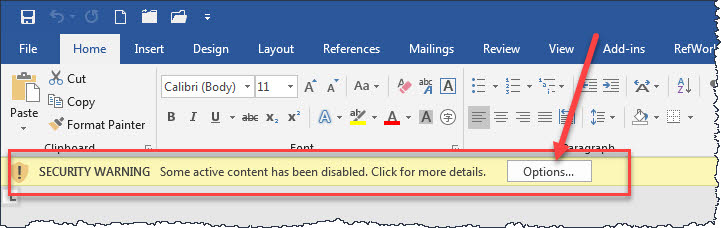
Step 3: In the Options window, click Add-ins from the left menu.
Step 4: Look at the bottom of the window for the Manage dropdown. Make sure COM Add-ins is selected, then click Go.
Step 5: In the popup window, you’ll see a list of all installed add-ins. Uncheck all the boxes to disable them temporarily.
Step 6: Click OK to save your changes, then close Word completely.
Step 7: Restart Word and check if it still crashes.
If Word runs smoothly now, one of the add-ins was likely causing the issue. You can re-enable them one at a time to identify which one is problematic. Check out our guide on Quick Fixes for Microsoft Word Not Responding on Windows 11 for more solutions.
Method 2. Update Microsoft Office
Running an outdated version of Office can cause crashes due to bugs or compatibility issues. Updating Office often fixes these problems. Follow these steps to update manually:
Step 1: Open Microsoft Word or Excel. Click File > Account (or Office Account).
Step 2: Under Product Information on the right, click the Update Options button.
Step 3: From the dropdown, select Update Now.
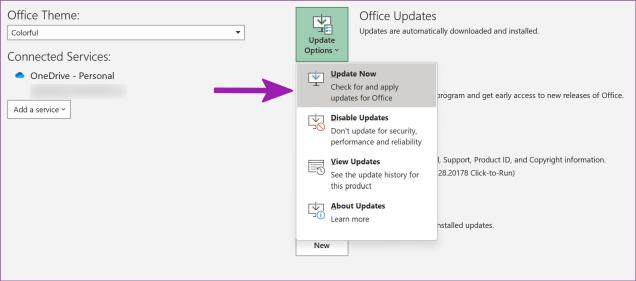
Step 4: Office will check for updates and install them automatically—this may take a few minutes.
Step 5: Once updates are installed, restart Word and see if it runs more smoothly.
🔄 Don’t forget to update Windows as well. Go to Settings > Update & Security > Windows Update, then click Check for updates and install anything available. Microsoft Word crashing can sometimes be caused by outdated Windows components.
Method 3. Repair Microsoft Office to Fix Crashes
Repairing Office can resolve issues causing Word to crash. There are two repair options: Quick Repair and Online Repair.
Step 1: Press Win + R, type control, and hit Enter to open Control Panel.
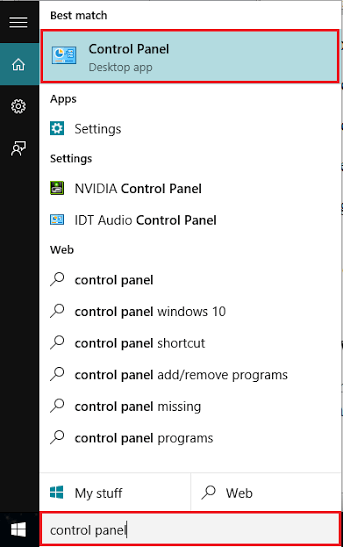
Step 2: Go to Programs and Features, find Microsoft Office, right-click it, and select Change.
Step 3: Choose Quick Repair first and click Repair. Wait for it to finish.
Step 4: If problems persist, repeat the steps but choose Online Repair to reinstall Office without affecting your files.
Tip: Before running an Online Repair, it’s a good idea to back up your important documents. If you’re also experiencing unresponsiveness in Word, check out our guide on What to Do When Word is Not Responding: Simple Solutions 2025 for more helpful tips.
Final Option: Reinstall Microsoft Office
If you’ve tried all the previous fixes and Microsoft Word continues to crash, a full reinstall of the Office suite can often resolve stubborn issues that repair tools can’t fix. Here’s a step-by-step approach to reinstall Office safely:
Step 1: Open Settings on your Windows PC and navigate to Apps > Installed Apps (or Apps & Features).
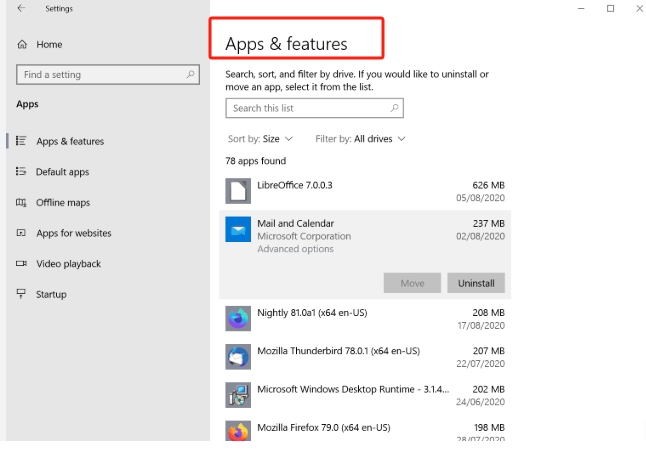
Step 2: Scroll through the list to find Microsoft Office, click on it, and select Uninstall. Follow the on-screen prompts to remove the software completely.
Step 3: Once uninstalled, restart your computer to clear out any remaining files or settings.
Step 4: Reinstall Office by signing in to your Microsoft 365 account or using your product key. Follow the instructions to download and install the latest version.
Reinstalling ensures you start fresh with a clean Office installation, which can fix persistent crashes caused by corrupted files or settings. Just remember to back up any important files before uninstalling, although your documents themselves won’t be deleted during this process.
Recovering Deleted or Lost Word Documents
Unsaved documents might be lost when Word crashes often. Accidental deletion, formatting, partition loss, and hard drive damage can also delete Word files. WinfrGUI can recover irreversibly deleted Word files.
Follow these steps to recover your Word document:
- Choose Word file location: Select the disk or folder where you lost the Word document and click “Find Lost Data”.
- Find your Word document: The program will examine the disk for lost data. After scanning, choose “Documents” in the left sidebar, pick the Word file, then click “Preview.”
- Recovery of Deleted Word Documents: After previewing, choose the Word document and click “Recover.” It’s crucial to save the restored document somewhere. OneDrive or Dropbox are suggested cloud storage services for file saving.
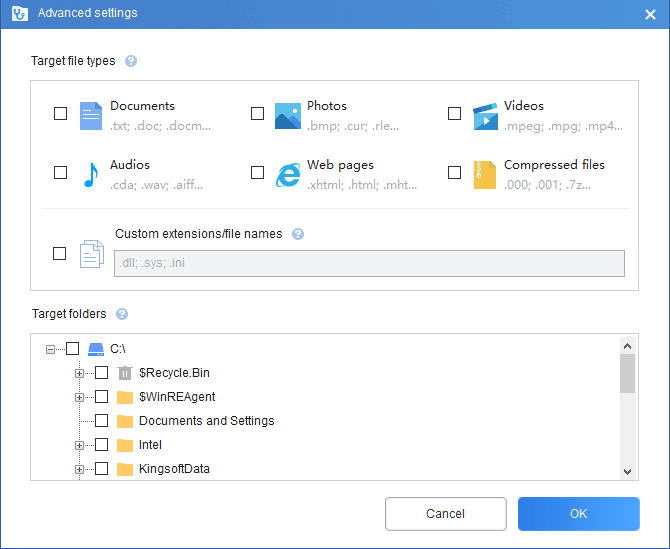
By following these steps, you can effectively recover lost Word documents.
Frequently Asked Questions
Q1. Why does Microsoft Word keep crashing when I open a specific document?
If Word only crashes when opening one document, that file might be corrupted. Try opening it in Draft view or Safe Mode, or use the Open and Repair feature:
- Open Word > File > Open > Browse to your file.
- Click the dropdown next to Open, then choose Open and Repair.
Q2. How do I start Microsoft Word in Safe Mode?
Safe Mode loads Word without any add-ins or custom settings, which can help troubleshoot crashes:
- Press Windows + R, type
winword /safe, then hit Enter. - If Word opens normally, an add-in or extension is likely causing the issue.
Q3. Will repairing Microsoft Office delete my files?
No. Both Quick Repair and Online Repair do not delete your personal Word documents or settings. However, Online Repair reinstalls Office, so it’s smart to back up any templates or macros just in case.
Q4. Can antivirus software make Word crash?
Yes, occasionally antivirus or security software can interfere with Microsoft Office programs. Try temporarily disabling your antivirus or adding Word to the exception list to see if that helps.
Q5. What should I do if Word crashes after a recent Windows update?
Sometimes updates introduce compatibility issues. Try:
- Rolling back the update via Settings > Windows Update > Update History > Uninstall updates.
- Checking for new Office updates, which may include fixes.
- Running Word in compatibility mode: Right-click Word shortcut > Properties > Compatibility > Check Run this program in compatibility mode.
Summary
If Microsoft Word crashed during your work, you’re not alone—but you’re definitely not helpless. With the tips above, you can troubleshoot the crashes, get Word running smoothly again, and recover any lost files. Whether it’s disabling add-ins, updating Office, or using a tool like WinfrGUI to bring back deleted documents, there’s always a way to bounce back. Don’t let a crash stop your productivity—get back on track quickly and confidently.
🔗 Also Read: 10 Solutions to Microsoft Word Not Responding Not Saved Issue
 MyRecover
 FoneTool
