
Excel Frozen How to Save: 4 Proven Solutions


Experiencing an “Excel frozen how to save” scenario can be frustrating, especially when valuable data is at risk. In 2025, Microsoft Excel has introduced several enhancements to address such issues. Notably, the integration of Python directly into Excel allows for more efficient data processing, reducing the likelihood of performance issues. Additionally, the AutoSave feature has been further optimized, now supporting real-time collaboration with Microsoft Forms, ensuring that your changes are saved continuously when working with cloud-based files. This guide will explore effective methods to resolve the “Excel frozen how to save” dilemma, ensuring you can recover your unsaved work and prevent future occurrences.
Why Does Excel Freeze When Saving?
| Cause | Description |
|---|---|
| Insufficient Storage Space | Lack of available disk space can prevent Excel from saving files properly. |
| Multiple Applications Open | Running many programs simultaneously can consume system resources, leading to Excel freezing. |
| Outdated Software or Windows | Using outdated versions of Excel or Windows may cause compatibility issues and performance problems. |
| Hardware Performance Issues | Limited RAM or CPU capabilities can hinder Excel’s ability to process and save large files. |
| Large Datasets or Complex Formulas | Handling extensive data or intricate calculations can overwhelm Excel, causing it to freeze. |
When this happens, wait 5 seconds to 5 minutes to see if Excel responds. If not, try the 4 methods below.
4 Proven Fixes to Save a Frozen Excel File
Solution 1: Give Excel Some Time to Respond
Sometimes, Excel might freeze or seem unresponsive, but it’s actually still working quietly in the background. This often happens when your computer is busy with other tasks or handling a large amount of data, causing Excel to take longer to save your file or complete calculations. What You Should Do:
- Stay calm and give Excel a few minutes — avoid the temptation to click or close the program repeatedly, as this could interrupt the process.
- Keep in mind that forcing Excel to close might lead to data loss, so patience is key.
Close unnecessary programs to free up system resources and help Excel finish faster.
Solution 2: Force Quit Excel and Use AutoRecover
If Excel stays frozen after waiting, you can force quit the program and then recover your unsaved work using the built-in AutoRecover feature.
How to Force Quit Excel
Step 1: Press Ctrl + Shift + Esc to open the Task Manager.
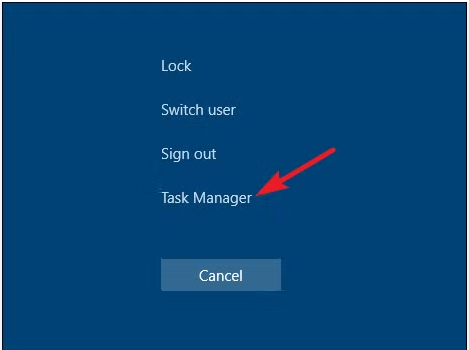
Step 2: Scroll through the list to find Microsoft Excel. Click on Excel to highlight it.
Step 3: Click the “End Task” button at the bottom right to force it to close.
Don’t worry if this feels a bit harsh — sometimes it’s the only way to get Excel unstuck.
How to Recover Unsaved Excel Files
Step 1: Reopen Excel after force quitting. Click on “File” in the top-left corner.
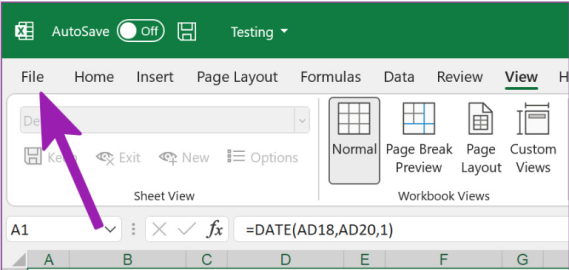
Step 2: Select “Open” from the menu. Choose “Recent” to see your latest files.
Step 3: Scroll down and click on “Recover Unsaved Workbooks” at the very bottom.
Step 4: Browse the list of unsaved files and double-click the one you want to restore.
Step 5: Once it opens, save it immediately by going to File > Save As and picking a safe location.
This feature is a lifesaver if you forgot to save before Excel froze.
How to Enable AutoRecover in Excel
Step 1: Open Excel and click “File.”
Step 2: Go down to “Options” and click it.
Step 3: In the Options window, select “Save” from the sidebar.
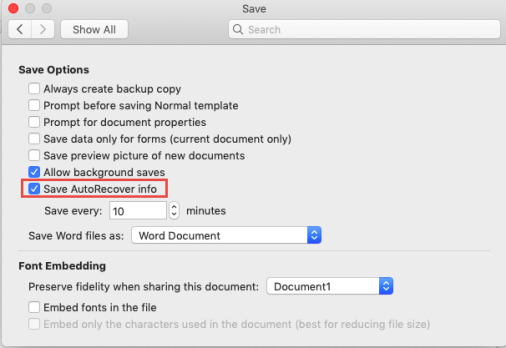
Step 4: Tick the box that says “Save AutoRecover information every X minutes.”
Step 5: Set the interval — 5 minutes or even less is best to avoid losing too much work.
Step 6: Also check “Keep the last AutoRecovered version if I close without saving.”
Step 7: Click “OK” to save these settings and close the window.
By doing this, Excel will save backup versions of your work regularly, so if it crashes, you’re less likely to lose hours of effort.
Solution 3: Use Keyboard Shortcuts to Save Your Excel Files Quickly
Saving your work regularly is one of the best ways to avoid losing data if Excel crashes or freezes. Instead of relying solely on AutoSave, getting into the habit of using quick keyboard shortcuts can save you a lot of frustration.
Step 1: To quickly save your current workbook, press Ctrl + S (Windows) or Cmd + S (Mac). This instantly saves any changes without interrupting your workflow.
Step 2: If you want to save your file under a different name or in a new folder, press F12 (Windows) or Cmd + Shift + S (Mac) to open the “Save As” dialog box. This lets you choose a new location or file name easily.
Turn on AutoSave in Excel (available with Office 365 or OneDrive) to have your changes saved automatically every few seconds — it’s a great safety net that works quietly in the background.
Solution 4: Use WinfrGUI to Recover Unsaved or Deleted Excel Files
If Excel crashes or closes unexpectedly before you get a chance to save, don’t panic — third-party recovery tools like WinfrGUI can help you retrieve those lost or unsaved Excel files quickly and safely.
- Recovers not only Excel files but also Word, PowerPoint, photos, videos, and more
- Allows you to preview files before recovery, so you only restore what you need
- Compatible with Windows 7, 8, 10, and 11
How to Use WinfrGUI:
Step 1: Download WinfrGUI and select the drive where your Excel file was last saved or located.
Step 2: Click Search for Lost Data to start scanning for recoverable files.
Step 3: Under the Type filter, choose Unsaved Files to narrow down the search.
Step 4: Preview the results, then select the Excel file(s) you want to recover.
Step 5: Click Recover and save the recovered files to a different drive or cloud storage like OneDrive or Google Drive to avoid overwriting the lost data.
Never save recovered files back to the original drive until you’re sure the recovery is complete to prevent permanent data loss.
Excel Frozen How to Save: FAQs
Q1: What should I do when Excel is not responding?
If Excel freezes, try waiting a few minutes to see if it responds — sometimes it’s just busy processing. You can press Ctrl + S to attempt a quick save. If that doesn’t help, follow the fixes in this guide or use a tool like WinfrGUI to recover any unsaved work.
Q2: Can I recover an unsaved Excel file?
Yes. In Excel, go to File > Info > Manage Workbook > Recover Unsaved Workbooks. From there, you can select and open unsaved files and save them properly.
Q3: Where are AutoRecovered Excel files stored?
AutoRecover files are typically saved in a temporary folder. You can find them by going to File > Info, then looking under Manage Workbook where earlier versions are listed next to version history.
Q4: Why does Excel freeze or stop responding when saving?
Excel may freeze while saving if the file is large, your system is under heavy load, or another process is interfering. Let Excel complete its task before clicking again, and avoid running too many background programs.
Q5: How can I prevent Excel from freezing in the future?
Save your work frequently using Ctrl + S, enable AutoSave or AutoRecover, and avoid overloading Excel with excessive add-ins or huge datasets without enough system resources.
Q6: Is it safe to use third-party recovery tools like WinfrGUI for Excel files?
Yes — as long as you download from the official site, WinfrGUI is safe and effective for recovering unsaved or deleted Excel files. It’s easy to use and helps avoid permanent data loss when Excel crashes unexpectedly.
Final Thoughts
Dealing with an unresponsive Excel application during saving operations doesn’t have to result in data loss. By employing the strategies outlined in this article, such as utilizing the AutoRecover feature, force closing Excel, and leveraging third-party recovery tools like WinfrGUI, you can effectively manage and mitigate the “Excel frozen how to save” issue. Regularly saving your work and keeping your software updated are proactive measures that can further enhance your Excel experience. Implement these solutions to ensure a smoother and more reliable workflow.
🔗 Also Read: How to Recover a Replaced File: 3 Possible Solutions
 MyRecover
 FoneTool
