
Windows Recover Deleted Files:Top 5 Free Methods Reviewed

In 2025, data loss remains a widespread issue as we continue to rely heavily on digital storage. Whether it’s due to accidental deletion, system crashes, or corrupted files, the good news is that Windows recover deleted files is still possible — even after you’ve emptied your Recycle Bin. In this article, we’ll explore Windows recover deleted files solutions and review the top 5 free tools you can use in 2025. Whether you’re dealing with a full Recycle Bin, accidental Shift+Delete, or a formatted drive — these methods have you covered.
What Happens When You Delete a File on Windows?
When you delete a file on Windows — whether you hit “Delete” or even “Shift + Delete” — the file doesn’t actually disappear right away. Instead, Windows simply marks the file’s space on the drive as “free,” meaning it’s now available for new data. But here’s the catch: the file’s contents still physically exist on the drive until something else is written over it. If the file goes to the Recycle Bin, it’s just sitting there, fully recoverable, until you empty the bin. But even if you permanently delete it, the data lingers in the background. That’s why recovery software often works — it scans for that leftover data before it gets overwritten. The longer you use your computer after deletion, the more likely those old file bits will be replaced with new data, making recovery much harder (or even impossible). So while the file looks gone, it’s not really gone… at least, not yet.
Quick Access to the Best 5 Free Methods in 2025
Here are the top 5 free methods you can use to recover your deleted files in 2025. Each tool is designed to help you recover lost data, whether it’s from a system crash, accidental deletion, or even if you’ve emptied your Recycle Bin.
Method1.Windows File Recovery — Free, Official, and Powerful
Windows File Recovery is a free, official tool from Microsoft. While it’s a command-line tool, it’s incredibly powerful and flexible when recovering lost data from Windows drives.
Key Features:
- Three modes for file recovery: Regular, Extensive, and Segment.
- Supports multiple file types and storage devices.
This tool is best suited for advanced users who are comfortable with command-line interfaces and want detailed control over their recovery process. If you’re comfortable with commands, use Windows File Recovery for a more advanced recovery option, particularly for complex or corrupted files.
Method2. WinfrGUI — The Easiest and Most Reliable for All Users
WinfrGUI is an intuitive graphical interface for Windows File Recovery, designed to make recovery as simple as possible for both beginners and experienced users.
Key Features:
- Quick and Deep Scan Options: Recover files fast with the quick scan or dig deeper with the deep scan for better results.
- File System Support: Works with NTFS and FAT file systems.
- Preview Before Recovery: Allows you to see the files before restoring them.
It is perfect if you want a user-friendly, no-tech knowledge-required recovery process. Simply download WinfrGUI, and you’ll be on your way to recovery in minutes. Download and install WinfrGUI, select the drive to scan, and recover your lost files in just a few clicks.
Method3. Recuva — Classic, User-Friendly, and Effective
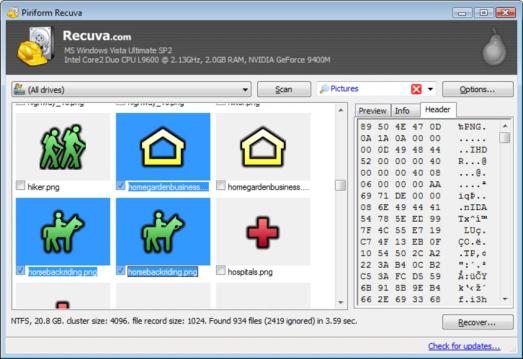
Recuva is a classic recovery tool that’s simple, lightweight, and incredibly effective at retrieving deleted files.
Key Features:
- Works with most file formats (photos, documents, music, etc.).
- A portable version is available if you don’t want to install software.
Ideal for users who need a quick and straightforward recovery solution. If you’re looking for ease of use, Recuva is perfect. Simply run the tool, scan for files, and restore them in no time.
Method4. File History — Automatically Protecting Your Files
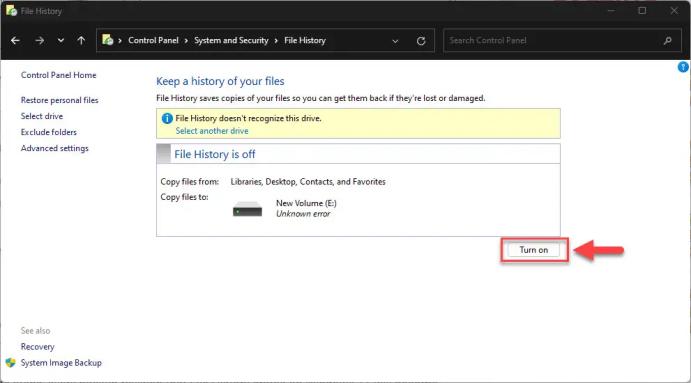
File History is a built-in feature in Windows that automatically backs up and allows you to restore previous versions of files.
Key Features:
- Automatically backs up files to an external drive or network.
- Lets you recover previous versions of documents.
If you’ve set up File History, simply navigate to the folder with the missing file, right-click, and choose Restore previous versions. Set up File History for future protection, and recover files automatically by enabling the feature.
Method5. Recycle Bin — The First Place to Look
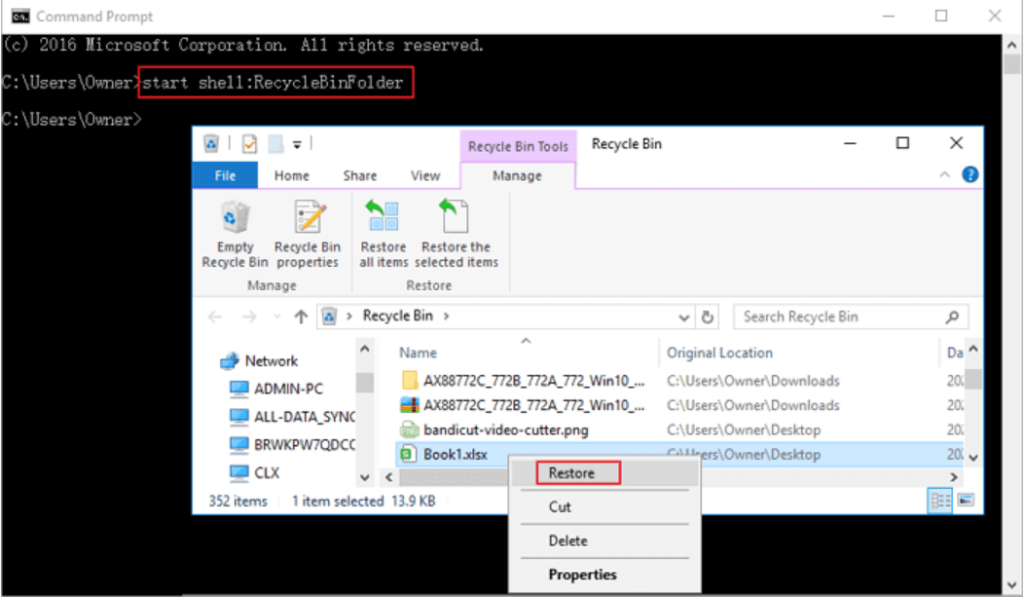
Recycle Bin is the first line of defense for recovering files that were accidentally deleted from your computer.
Key Features:
- Temporarily stores deleted files.
- Easy restoration — right-click to recover files instantly.
The simplest solution if the file hasn’t been permanently deleted or the Recycle Bin hasn’t been emptied. Double-check your Recycle Bin first. If your file is there, just right-click and restore it immediately.
Compare and Choose the Best Method for Your Situation
Here’s a quick comparison table to help you choose the best method based on your needs:
| Method | WinfrGUI | WinFR | Recuva | File History | Recycle Bin |
|---|---|---|---|---|---|
| Ease of Use | ✅ Easy | ❌ Command-line | ✅ Easy | ✅ Simple | ✅ Simple |
| Free | ✅ Yes | ✅ Yes | ✅ Yes | ✅ Yes | ✅ Yes |
| Scan Speed | ✅ Fast | ✅ Fast | ✅ Fast | ❌ Limited | ✅ Instant |
| Deep Scan Option | ✅ Yes | ✅ Yes | ✅ Yes | ❌ No | ❌ No |
| Ideal for Beginners | ✅ Yes | ❌ No | ✅ Yes | ✅ Yes | ✅ Yes |
| File Preview Before Recovery | ✅ Yes | ✅ Yes | ✅ Yes | ❌ No | ❌ No |
| Best for Complex Recovery | ❌ No | ✅ Yes | ❌ No | ❌ No | ❌ No |
FAQ: Troubleshooting File Recovery on Windows
Q1. I accidentally deleted a file—what should I do first?
Stop using the drive immediately. The more you use it, the higher the chance that new data will overwrite your deleted files.
Q2. Should I run a Quick Scan or Deep Scan with recovery software?
Start with a Quick Scan—it’s faster and often finds recently deleted files. If nothing shows up, go for a Deep Scan for a more thorough search.
Q3. Can I install recovery software on the same drive I lost files from?
It’s not recommended. Always install the recovery tool on a different drive to avoid overwriting the very files you’re trying to recover.
Q4. How can I improve my chances of successful recovery?
Act quickly! The sooner you try to recover, the better the odds. Avoid copying, saving, or installing anything on the affected drive.
Q5. How do I avoid this problem in the future?
Set up regular backups using File History, OneDrive, or third-party tools. That way, even if you delete something, you’ll always have a copy.
Conclusion — You Can Recover Your Files with Confidence
In 2025, recovering deleted files on Windows is easier than ever, and with the right methods, you can restore lost data without hassle. We recommend WinfrGUI for its user-friendliness and powerful recovery features. It’s a fantastic tool for anyone, whether you’re new to file recovery or an experienced user. Act fast, use the right tools, and protect your files with regular backups — it’s never too late to recover your valuable data.
🔗 Also Read: Best File Recovery Software for Photos, Videos, and Documents
 MyRecover
 FoneTool
