
Recover Deleted Files in Windows 10: 4 Quick Options

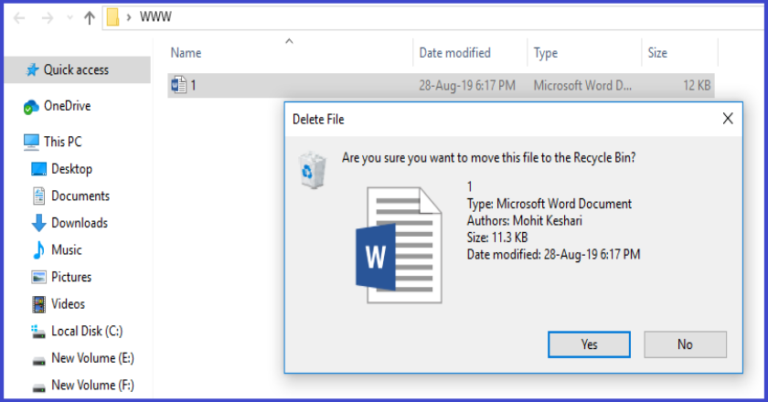
Last month, I learned a hard lesson at 2:00 AM: the Shift + Delete shortcut is as dangerous as it is fast. I was clearing out temporary folders and accidentally wiped a client presentation I’d spent two weeks perfecting. My heart sank when I realized the Recycle Bin was empty. In that moment of panic, I realized that knowing how to recover deleted file windows 10 isn’t just a technical skill—it’s an absolute necessity for anyone working digitally. That experience pushed me to deep-dive into the mechanics of data retrieval. The good news? My data wasn’t actually gone. I managed to get every single byte back, and I’ve put together this guide to show you exactly how. Whether you’ve just made the same mistake I did or you’re dealing with a sudden system crash, these steps—ranging from native features to the pro-level tools I now keep in my toolkit—will help you reclaim your lost work.
Key Takeaways
- Deleted files aren’t immediately lost – Files deleted normally go to the Recycle Bin, while Shift + Delete or emptied Recycle Bin items are permanently marked but remain on the drive until overwritten. Acting quickly is crucial.
- Native Windows 10 recovery options work well – The Recycle Bin, Previous Versions (File History), and System Restore Points allow you to restore deleted files or roll back to earlier versions, making them essential tools for learning how to recover deleted file Windows 10.
- Command-line and advanced tools expand recovery capabilities – Windows File Recovery (WinFR) and third-party tools like WinfrGUI, EaseUS Data Recovery, and Recuva provide deeper scanning and recovery options for permanently deleted files or formatted drives.
- WinfrGUI is beginner-friendly and effective – With its visual interface, deep recovery modes, and adherence to Microsoft’s protocols, it allows users to recover deleted files Windows 10 safely and efficiently without needing command-line knowledge.
- Prevention and backups are essential – Regularly back up important files to external drives or cloud storage, keep software updated, and practice good security habits to reduce the risk of data loss and ensure recoverability in the future.
File Deletion and Recovery in Windows 10
How File Deletion Works
- Soft Deletion (Recycle Bin): normally deleted files go to the Recycle Bin, where they can be easily restored unless manually or automatically emptied.
- Permanent Deletion: files deleted with Shift + Delete or from an emptied Recycle Bin are marked as gone, though the data remains until overwritten. Recovering them is harder and often requires specialized tools.
Common Reasons for File Deletion
- User error, such as selecting the wrong file.
- Accidental clicks that lead to unintended deletion.
- Malware or viruses that remove or corrupt files.
- System crashes or unexpected shutdowns causing data loss.
The Role of Backups
- Utilization of backup utilities such as Windows File History.
- Regular backups ensure that even if files are accidentally deleted, recovery from a previous state is possible.
- This proactive approach minimizes the risk of permanent data loss by keeping a secure copy of your important files.
Native Windows 10 Recovery Options
Option1: Using the Recycle Bin
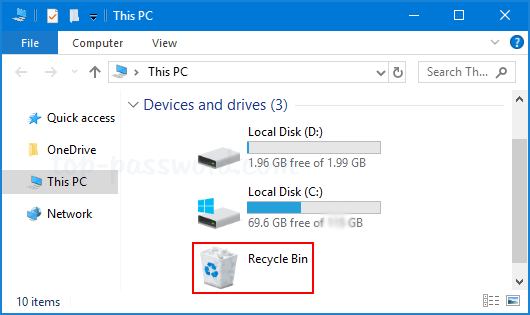
When you delete a file normally, Windows 10 moves it to the Recycle Bin. To recover it, just open the Recycle Bin icon on your desktop and look through the files. Once you find the one you want, right-click it and select Restore. The file will be returned to its original folder. This method is one of the easiest and quickest ways to learn how to recover deleted file Windows 10.
Option2: Restore Previous Versions
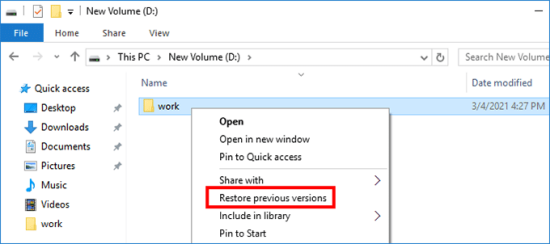
Windows 10 includes a Previous Versions feature that works alongside File History to save snapshots of your files automatically. This lets you roll back to an earlier version if needed. To use it, go to the folder where your deleted file was stored, right-click the folder, and choose Restore previous versions. You’ll see a list of saved versions with timestamps. Select the one you want and click Restore to recover that version. This method is especially handy if recent changes caused data loss or corruption and is a useful way to learn how to recover deleted files.
Option3: System Restore Points
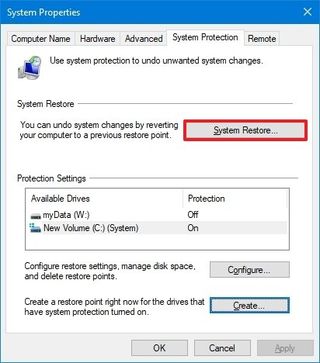
Windows 10’s System Restore Points save snapshots of your system at specific times. If you recently deleted files, you might be able to recover them by rolling back your system to a restore point created before the deletion. To use this, search System Restore in the Start menu, follow the on-screen steps, and pick a restore point dated before you lost your files. Keep in mind, using System Restore affects system settings and installed programs—it won’t just recover files—so proceed with caution and back up important data beforehand. This is one way to learn how to find deleted files on Windows.
Option4: Command-Line Tools
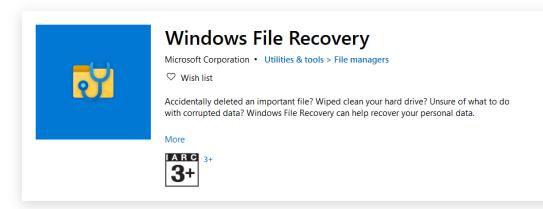
For advanced users, command-line tools like Windows File Recovery (WinFR) offer a powerful way to recover permanently deleted files windows 10 or those lost after formatting. WinFR runs through the command prompt and requires some familiarity with command-line syntax and options to use effectively. While it can recover many files, it may not retrieve everything if the disk space has already been overwritten. Because of this, it’s best to use WinFR as soon as possible after data loss for the best chance of recovery.
Advanced Recovery Options and Tools
Built-in recovery options often fall short when files have been permanently deleted, especially if those disk sectors have been overwritten. In such cases, tools like the Recycle Bin or Previous Versions won’t cut it, and you’ll need more advanced recovery solutions. Luckily, there are several reliable third-party programs out there—each with its own pros and user experience. Popular picks include EaseUS Data Recovery, Recuva, and WinfrGUI. They differ in scanning speed, recovery success, and ease of use, so you can choose the one that fits you best. In this guide, I’ll introduce you to WinfrGUI, a powerful yet user-friendly tool that makes it incredibly easy to recover deleted file Windows 10—even if you’re not a tech expert.
How WinfrGUI Integrates with Windows 10:
- WinfrGUI is fully compatible with Windows 10 and works seamlessly within the system’s recovery framework.
- It follows Microsoft’s native file recovery protocols while offering a user-friendly interface, and it requires minimal system resources to run smoothly—even on older machines.
Key Advantages of WinfrGUI:
- 100% Free & No Hidden Costs: Unlike many trial tools that ask for payment at the very last step of recovery, WinfrGUI is a truly free solution that lets you recover deleted file Windows 10 without a subscription.
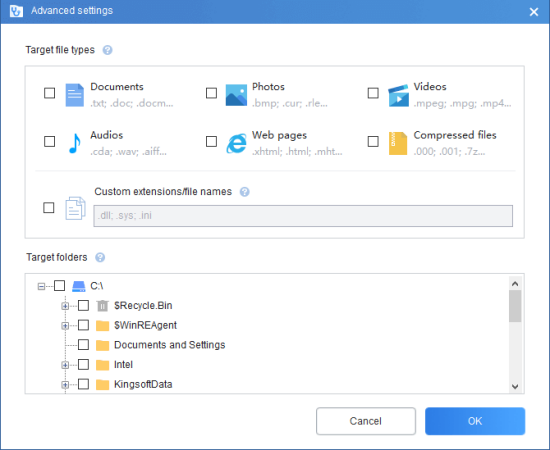
- Visual Click-and-Fix Interface: It transforms Microsoft’s powerful Windows File Recovery tool (which is originally command-line only) into a simple, graphical interface. No typing, no coding—just clicks.
- Deep Recovery Modes: Whether you just emptied the Recycle Bin or your drive was accidentally formatted, the Deep Scan mode can track down file fragments that other basic tools might miss.
- High Success Rate & Safety: It follows Microsoft’s official recovery protocols, ensuring that your existing data stays safe and your hardware isn’t compromised during the scanning process.
- Ultra-Lightweight Performance: It requires minimal system resources, meaning it runs smoothly even on older laptops or machines with limited RAM—perfect for when you need to act fast during a data emergency.
Protecting Your Data and Avoiding Future Problems
Q1. How can I make sure I don’t lose important files?
Make it a habit to regularly back up your files to an external hard drive or a trusted cloud service—this way, if your device fails or gets hacked, your data stays safe and easy to recover.
Q2. What’s the best way to keep my accounts secure?
Use strong, unique passwords for every account, and enable multi-factor authentication (MFA) whenever possible to add an extra layer of protection against unauthorized access.
Q3. How often should I update my software and security tools?
Keep your operating system, apps, and antivirus software up to date—these updates patch security holes and help protect your device from the latest threats.
Q4. How can I stay aware of new online dangers?
Stay informed about current cyber threats by following reputable tech news sources, and regularly educate yourself and your team or family on spotting phishing scams and practicing safe browsing habits.
Q5. What’s the easiest way to teach others about data safety?
Share simple tips on recognizing suspicious emails, avoiding risky websites, and the importance of strong passwords—making data protection a shared responsibility helps keep everyone safer.
Conclusion
In the realm of data management, being proactive can make all the difference. As we’ve seen, you don’t have to accept the loss when things go wrong—knowing how to recover deleted file Windows 10 puts you one step ahead of disaster. By leveraging both native recovery tools and third-party solutions, you can quickly restore your files and minimize downtime. Remember, safeguarding your digital assets is not just about reacting to emergencies, but also about implementing consistent backup strategies and preventive measures. Embrace these practices today to ensure that your future is as secure as your files are recoverable.
🔗 Also Read: How to Recover a Deleted Folder on Windows
 MyRecover
 FoneTool
