
How Long Does It Take to Reset Windows 11

Is your computer running slowly, freezing, or throwing up weird error messages? Don’t panic—this doesn’t mean your PC is done for. In many cases, a software issue or buggy update could be the culprit, and that’s where a factory reset can come in handy. If you’re asking, “how long does it take to reset Windows 11?”, you’re in the right place. This guide breaks down everything you need to know about the types of resets, how long each takes, and how to troubleshoot common issues.
Understanding Windows Reset Types
What is Soft Reset?
A soft reset is a simple restart of your device that doesn’t affect your personal data, apps, or settings. It’s often used to quickly resolve minor issues like app freezes, slow performance, or connectivity glitches. By rebooting the system, a soft reset clears temporary bugs and refreshes the device without making any permanent changes—making it a safe and effective first step when troubleshooting everyday tech problems.
Use Cases: Addressing unresponsive apps, minor connectivity issues, or sluggish performance.
What is Hard Reset?
A hard reset, also known as a force restart, forcibly reboots a device and may cause data loss if not performed correctly. For devices with removable batteries, it involves physically removing and reinserting the battery. On modern devices, it typically requires holding down specific button combinations.
Use Cases: Fixing frozen screens, system crashes, or unresponsive behavior when standard methods fail.
What is Factory Reset?
A factory reset erases all personal data, apps, and settings, returning the device to its original factory state. It’s the most thorough reset option.
Process: Go to Settings > Backup & Reset > Factory Data Reset. Be sure to back up important data before proceeding.
Use Cases: Reselling a device, eliminating persistent malware, or fixing severe performance problems.
Understanding the differences between these reset methods helps users troubleshoot everything from minor glitches to critical system failures with confidence.
How Long Does Each Reset Take?
Reset times vary based on your hardware, the amount of data stored, and which reset option you pick. Here’s what you can generally expect:
| Reset Type | Estimated Time | Description |
|---|---|---|
| Soft Reset | A few seconds to 2 minutes | Quick reboot, no data loss |
| Hard Reset | 1 to 5 minutes | Forced reboot, no data deletion |
| Factory Reset – Keep My Files | 30 minutes to 1 hour | Removes apps/settings, keeps files |
| Factory Reset – Remove Everything | 1 to 3 hours or more | Wipes all files/apps/settings |
Factors Affecting Reset Duration
Several key factors influence how long it takes to reset your Windows 11 PC:
- Storage Type: PCs with solid-state drives (SSDs) complete resets much faster than those with traditional hard disk drives (HDDs), thanks to quicker data read/write speeds.
- System Performance: Newer computers with powerful processors and ample RAM generally reset more quickly than older, less powerful machines.
- Data Volume: The amount of personal files, installed applications, and system data directly impacts reset time—the more data stored, the longer the process takes.
- Reset Option Selected: Choosing “Keep my files” during reset preserves personal data and usually finishes faster, while “Remove everything” performs a full wipe, which requires more time.
- Internet Speed: If you opt for a cloud download reinstall, the reset duration depends on your internet connection speed because Windows files must be downloaded from Microsoft servers.
For slower PCs, many users prefer to start the reset process before bedtime and let it run overnight to avoid interruptions and ensure smooth completion.
How to Factory Reset Your Windows 11 PC
If you want to refresh your Windows 11 PC or fix stubborn issues, a factory reset can help. Follow these easy steps to safely reset your computer:
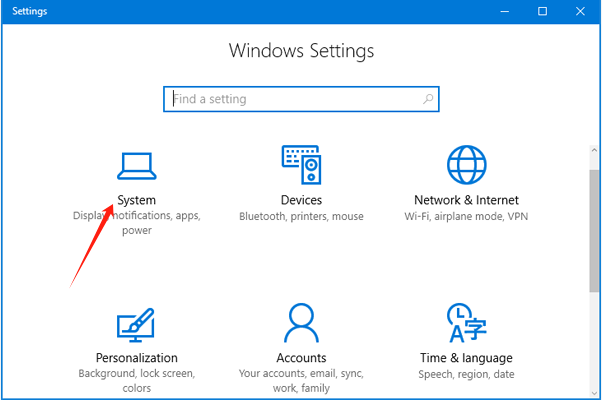
Step 1: Press Win + I to quickly open the Settings app. Select System.
Step 2: In the System settings, scroll down and select Recovery from the options on the right.
Step 3: Under the Recovery options section, find and click the Reset PC button to start the reset process.
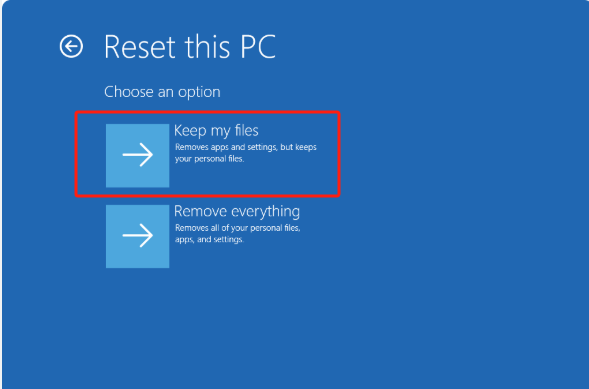
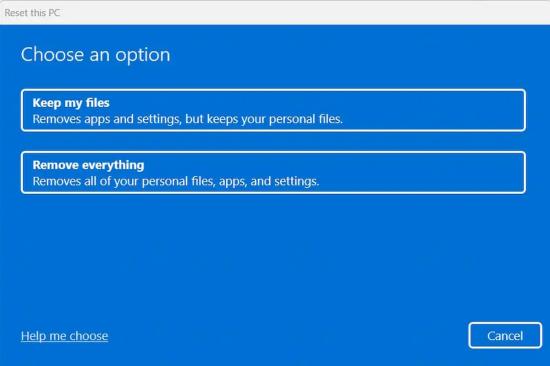
Step 4: You will be prompted to pick one of these options:
- Keep my files: Removes apps and settings but keeps your personal files safe.
- Remove everything: Deletes all your personal files, apps, and settings for a completely clean start.
Step 5: Decide how you want Windows 11 reinstalled:
- Cloud download: Downloads a fresh, up-to-date copy of Windows from Microsoft’s servers (requires internet).
- Local reinstall: Reinstalls Windows using files already on your PC (faster, no internet needed).
Step 6: Carefully check the summary of your selected options. Make sure you’re comfortable with your choices.
Step 7: Click Reset to start the process. Your PC will restart multiple times while Windows removes files, reinstalls the system, and applies default settings.
Step 8: The reset can take anywhere from 30 minutes to a few hours depending on your PC and options selected. Afterward, you’ll need to reinstall your apps and restore data from backup if you chose Remove everything.
What if Some Files Are Missing After Reset?
Sometimes, even with backups, files can go missing or get accidentally deleted during the reset process. If you find yourself in this situation, don’t worry — you can use WinfrGUI, a powerful and user-friendly Windows file recovery tool. Built on Microsoft’s official WinFR engine, WinfrGUI allows you to quickly scan your drives and recover lost documents, photos, videos, and more without needing technical skills.
Common Windows 11 Reset Troubleshooting FAQ
Q1. Why is my Windows 11 reset stuck at a certain percentage?
A reset may get stuck due to corrupted system files, slow hardware, or interrupted internet connections (for cloud resets). Try waiting patiently, disconnecting external devices, or restarting the reset process. If it persists, running a system repair or reinstalling Windows manually may help.
Q2. Can I stop a Windows 11 reset once it has started?
It’s not recommended to interrupt a reset in progress, as this can corrupt your system and cause boot issues. If absolutely necessary, perform a hard shutdown, then try restarting the reset or recovery process.
Q3. What should I do if my PC won’t boot after a reset?
If your PC fails to boot, use Windows Recovery Environment (WinRE) to troubleshoot. You can access advanced startup options by turning your PC off and on three times. From there, try Startup Repair, System Restore, or reinstall Windows using a bootable USB.
Q4. Why does my reset take so long on Windows 11?
Reset duration depends on hardware specs, data size, and reset type. PCs with HDDs or large amounts of data take longer. Also, cloud resets depend on your internet speed. To speed up, disconnect external devices and remove unnecessary files before resetting.
Q5. How do I back up my data before resetting Windows 11?
Use Windows Backup and Restore tools or copy important files manually to an external drive or cloud storage. This ensures your personal data stays safe during “Remove everything” resets that erase all files.
Conclusion
Overall, now you know there’re several situations would affect how long does it take to reset windows 11. It is important to back up your data before starting a reset. On average, it takes 30 minutes to 3 hours, but it can vary depending on the hardware configuration and the amount of data stored on your PC. By following the correct steps and considering the factors affecting the reset time, you can successfully resete your computer and fix any problems you may encounter.
🔗 Also Read: How to Reinstall Windows 10 After Upgrading?
 MyRecover
 FoneTool
