
How to Remove Password from ZIP File After Unlocking It

Tired of typing in a password every single time you open a ZIP file? If you’ve already unlocked the file and just want to get rid of that extra step, you’re not alone. In this guide, we’ll show you how to remove password from ZIP file after you’ve successfully accessed it — no hacking or password cracking involved. ZIP passwords are a simple but effective way to protect your data. Still, once the file is no longer confidential or needs to be shared freely, keeping the password becomes more of a nuisance than a benefit. Whether you’re using WinRAR, 7-Zip, or Windows File Explorer, the process is straightforward, and we’ll walk you through it step by step.
Is It Safe and Legal to Remove a ZIP File Password?
Yes — as long as you know the password and have legitimate access to the file, it’s completely legal and safe to remove the password. Many people password-protect ZIP files for sharing sensitive content, but once the file reaches its destination or is no longer private, removing the password just makes life easier.
Always back up your original file before making any changes, just in case something goes wrong during extraction or compression.
What You’ll Need
Before we dive into the methods, make sure you have the following:
✔️ The correct password for the ZIP file.
✔️ A file compression tool:
- WinRAR
- 7-Zip
- Windows File Explorer (for basic ZIPs)
✔️ Optional but handy: If you ever accidentally delete the file, a free recovery tool like WinfrGUI can help you restore it — especially useful when working with system or USB drives.
Method 1: Remove ZIP Password Using WinRAR (Best for .zip & .rar Files)
If you already know the password to the ZIP file but want to get rid of it for easier future access, WinRAR is one of the most straightforward tools to help. This method works perfectly for both .zip and .rar formats — no need for hacking or third-party password-crackers. Here’s how to do it:
Step 1: Right-click the ZIP file and select Open with WinRAR.
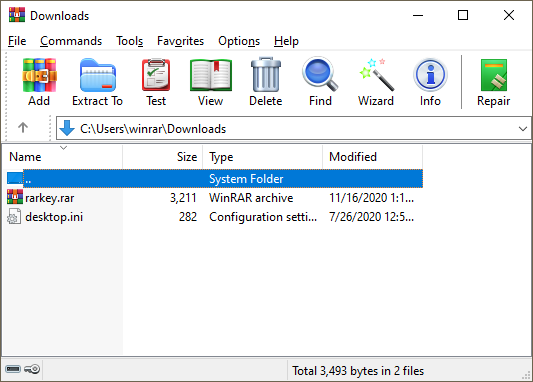
Step 2: When prompted, enter the correct password to unlock and view the contents.
Step 3: Click the “Extract To” button in the toolbar and choose a destination folder where you want the unzipped files saved.
Step 4: After extraction is complete, go to the destination folder, right-click the extracted folder, and select “Add to archive…” from the context menu.
Step 5: In the pop-up settings window:
- Set Archive format to ZIP.
- Make sure “Set password” is unchecked so the new archive has no protection.
Step 6: Click OK to generate a new ZIP file.
✅ Result: You now have a fresh, password-free ZIP file with all the original contents — no more password hassle.
Method 2: Remove Password Using 7-Zip (Free & Lightweight)
If you’re looking for a completely free and open-source way to remove a ZIP file password (and you already know the password), 7-Zip is a fantastic alternative. It’s lightweight, fast, and supports almost every common archive format.
Step 1: Right-click your ZIP file and choose Open with > 7-Zip File Manager.
Step 2: When prompted, enter the correct password to unlock the archive.
Step 3: Click Extract and choose a safe location on your computer to save the files.
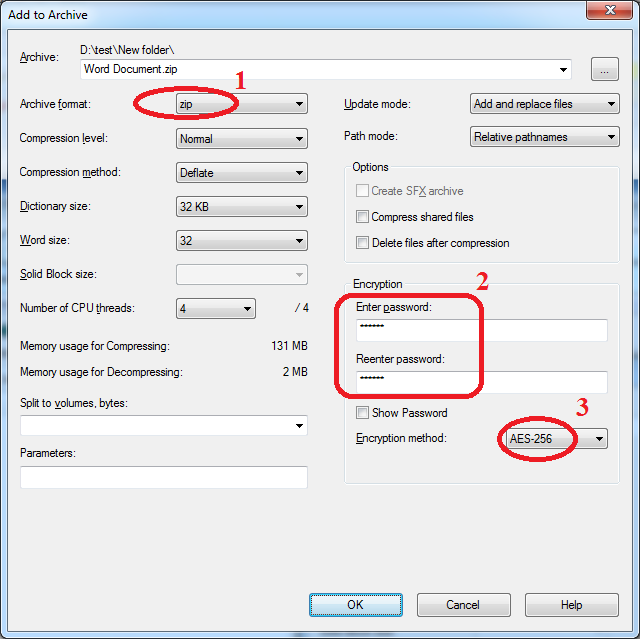
Step 4: Once extracted, find the destination folder, right-click the extracted folder, go to 7-Zip > Add to archive….
Step 5: In the archive settings window:
- Set the Archive format to ZIP.
- Leave the Encryption and Password fields blank.
Step 6: Click OK to create your new, unprotected ZIP file. You now have a clean, password-free ZIP file with all your original files intact.
✅Why choose 7-Zip? It’s lightweight, open-source, and doesn’t come with ads or bloatware. Ideal for users who prefer a no-nonsense, free tool that just works.
Method 3: Use Windows File Explorer (For Simple ZIP Files)
If the ZIP file was created using basic Windows compression and doesn’t have advanced encryption, you may not need any third-party software at all. Windows File Explorer can help you remove the password in just a few simple steps — as long as you know the password. Here’s how to do it:
Step 1: Double-click the ZIP file to open it in File Explorer.
Step 2: When prompted, enter the correct password to view the contents.
Step 3: Select all files inside and copy them (Ctrl + C).
Step 4: Paste the files into a new folder somewhere safe on your computer.
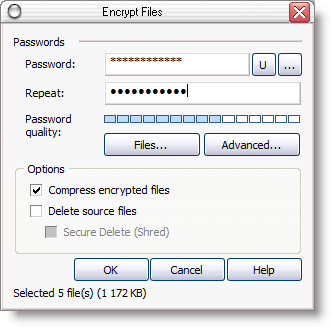
Step 5: Right-click that new folder and choose Send to > Compressed (zipped) folder.
✅ Result: You’ve now created a new ZIP file that’s identical to the original — but without the password protection.
This method only works for ZIP files created without AES encryption. If you run into an error or can’t open the file, try using 7-Zip or WinRAR instead.
What If You Lose the File During the Process?
Mistakes happen — maybe you accidentally delete the ZIP file while extracting or compressing, or the file gets corrupted midway. Don’t panic. With WinfrGUI, you can recover lost ZIP files easily from your PC, USB drive, SD card, or external hard drive. Unlike command-line tools that require technical know-how, WinfrGUI offers a clean, graphical interface that anyone can use. Just scan, preview, and recover — no complex steps involved.
Why Choose WinfrGUI?
- ✅ Supports major file systems: NTFS, FAT, exFAT, and ReFS
- ✅ Works on all drives: internal disks, external hard drives, USBs, SD cards
- ✅ File-type filtering: Recover only what you need — ZIPs, documents, photos, etc.
- ✅ Deep scan mode: For more thorough recovery of long-deleted files
- ✅ Totally free: No hidden fees or advanced tech skills required
Whether you’re managing ZIP files from a thumb drive or cleaning up a messy folder, WinfrGUI has your back if something goes wrong.
Frequently Asked Questions
❓ 1: Can I remove a password without extracting the file?
No. You must first extract the contents using the correct password, then re-compress them without a password.
❓2: Will this work for .rar files too?
Yes, if you use WinRAR — it supports both .zip and .rar files.
❓3: Is there a way to batch remove passwords from multiple ZIPs?
Only if you know the password for each file. You’ll need to process them one by one using these steps.
❓ 4: What if I forgot the password completely?
These methods won’t work without knowing the password. You’ll need to try ZIP password recovery tools that use brute-force or dictionary attacks, though success is not guaranteed and may take time.
❓ 5: Will re-zipping the files affect data quality or structure?
Not at all. As long as you extract and re-compress correctly, the files remain unchanged in quality, structure, and format.
Conclusion
Now you know how to remove password from ZIP file after unlocking it — a quick process that can save you time and hassle when managing your own archives. Whether you’re using WinRAR, 7-Zip, or just the built-in Windows tools, each method involves simply extracting the contents and re-compressing them without applying a new password. Always remember to back up your files before making changes, and keep recovery tools like WinfrGUI handy in case something gets deleted during the process. Removing passwords is perfectly safe and legal — as long as the file is yours or you’re authorized to access it.
🔗 Also Read: Online Zip File Password Recovery
 MyRecover
 FoneTool
