
Recover Data From Formatted Hard Drive With 3 Methods

If you have accidentally formatted your hard disk and lost critical data, don’t panic. This in-depth manual is designed to help you understand the process and effectively recover files from a formatted hard drive. We provide a detailed explanation of why hard drive formatting is necessary, the crucial steps to take immediately after an accidental format, and a clear, step-by-step breakdown of three proven formatted hard disk recovery methods. Ensure you have all the essential data recovery information for a maximum chance of success.
Why It’s Needed and How It Works
Hard drive formatting is the process of erasing all existing stored data, establishing a new file system, and preparing the drive for new data. Beyond simple data erasure, formatting can also be used to improve the drive’s performance and resolve critical errors.
Common Scenarios Requiring Hard Drive Formatting
Formatting your hard drive is typically required for several reasons:
- Selling or Donating: To securely delete all personal and confidential data before transferring ownership.
- System Upgrades: Preparing a new hard drive or partition for a fresh operating system (OS) installation.
- Troubleshooting System Errors: When your hard drive begins to malfunction due to issues like:
- Frequent system crashes or inaccessible files.
- Unusual noises (which may indicate a physical failure).
- The disk not being properly detected by the system.
- Corruption from viral firmware errors or malicious software.
By formatting the drive, you essentially reset it to a factory state, allowing for a clean slate to reinstall the OS or reuse the drive.
Quick Format vs. Full Format: The Key to Recovery
The success of your data recovery efforts largely depends on the type of format performed:
| Format Type | Mechanism | Data Recovery Feasibility |
| Quick Format | Only deletes the File Allocation Table (FAT) or Master File Table (MFT), marking the space as “available.” The actual data remains intact on the sectors. | HIGH – Data is usually recoverable with software. |
| Full Format | Wipes the FAT/MFT, checks for bad sectors, and overwrites every sector of the drive with zeros (or a random pattern). | LOW/IMPOSSIBLE – Data is physically overwritten and permanently lost. |
I Accidentally Formatted My Hard Drive: What to Do IMMEDIATELY
Accidentally formatting a hard drive is a common mistake. If you find yourself in this situation, specific, immediate action is required.
🛑 Stop Using the Hard Drive Right Away: This is the single most critical step. Continued use (even installing data recovery software onto that drive) risks overwriting the “deleted” data with new files, resulting in permanent data loss.
✅ Understand the Recovery Principle: When a quick format occurs, a new, empty file allocation table is created. The old data is not physically destroyed; it merely becomes unlinked and invisible to the operating system. As long as this space has not been overwritten, the data can still be recovered.
Is Data Recovery Possible from a Formatted Hard Drive?
Yes, you can recover files from formatted hard drive, but the difficulty and success rate vary significantly based on two main factors:
1. Drive Type: HDD vs. SSD
- HDD (Hard Disk Drive): Generally more forgiving. Data recovery success rates are high after a quick format because the data remains until it is explicitly overwritten.
- SSD (Solid State Drive): Much more challenging. Modern SSDs utilize the TRIM command to optimize performance. When data is deleted or the drive is formatted, TRIM actively purges the data blocks shortly afterward, which can lead to the permanent, irreversible deletion of data, even after a quick format.
2. Format Type (Quick vs. Full)
As noted above, files lost after a Quick Format are almost always recoverable, whereas data subjected to a Full Format is typically gone for good.
3 Proven Ways to Recover Files from Formatted Hard Drives
If you have performed a Quick Format and need to restore your data, here are the three most effective methods:
Method 1: Utilize Professional Data Recovery Software (Recommended)
Data recovery software is the most powerful tool for logical data loss, such as that caused by a quick format. Reputable programs are designed to deeply scan the hard drive’s sectors, bypassing the corrupted/cleared file table to reconstruct your files. Using this software is the best way to attempt to recover files from formatted hard drive.
Note: Crucially, install the recovery software on a different drive or partition to prevent any new data from being written onto the formatted drive.
Step-by-Step Data Recovery Using WinfrGUI
Step 1: Download and install WinfrGUI onto a separate, healthy drive.
Step 2: Open the program and select the formatted hard drive from the list of available locations. Choose a Deep Scan mode for comprehensive results.
Step 3: The program will begin scanning the drive. This process can take minutes to hours, depending on the drive size and condition.
Step 4: Once the scan is complete, review the list of found files. Use the Preview function to verify file integrity.
Step 5: Select the files you wish to restore and click “Start Recovery.”
VERY IMPORTANT: Choose a new, secure location (like an external drive or a different partition) to save the recovered data, not the formatted drive itself.
Method 2: Restore Data Using a System Backup
If you maintained a consistent data backup, recovery is simple, fast, and 100% safe from overwriting. Always maintain backups, especially before performing any disk operations. This method is the easiest way to recover files from formatted hard drive.
Using Windows File History to Retrieve Data
- Open Settings on your PC. Navigate to the Update & Security section, then select Backup from the left menu.
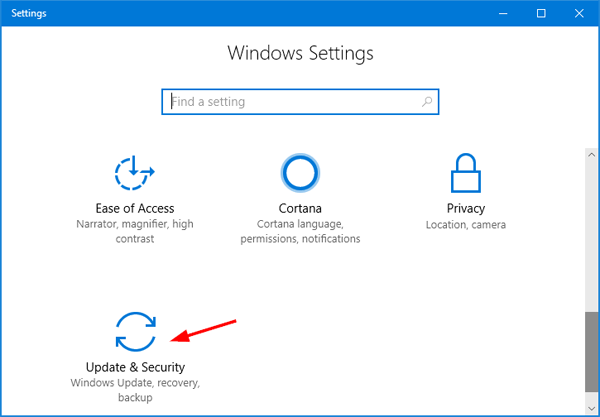
- Under the “Backup using File History” section, click “More options.”
- In the pop-up menu, select “Restore files from a current backup.”
- Browse the File History backup window to find the folder and file versions you wish to recover from the formatted hard drive.
- Click the green “Restore” button. You can also right-click and select “Restore to…” to specify a brand-new destination for the recovered files.
Method 3: Consult a Professional Data Recovery Service
Contacting a professional hard drive recovery lab is the recommended course of action if:
- You are unsure of your ability to safely use recovery software.
- The data is irreplaceable and extremely vital.
- The hard drive is an SSD and recovery software has failed (due to the TRIM command).
- You performed a Full Format or suspect a physical hardware failure (e.g., clicking/grinding sounds).
In cases where your attempts to recover files from formatted hard drive using software fail, professionals offer the best solution.
Troubleshooting and Pre-Format FAQ
Q1: How can I ensure I don’t lose data when formatting my hard drive?
The single most important step is to create a complete and current backup of all your important files before you start the formatting process. Copy all essential data to a separate external hard drive or a reliable cloud storage service. This makes the subsequent data loss virtually impossible.
Q2: Why is creating a backup so crucial before formatting?
Hard drive formatting is an irreversible action that clears the file system. Even if you plan to use a “Quick Format,” a full backup ensures you have a copy of your files independent of the hard drive’s state. If the format goes wrong or you forget a critical file, your data remains safe.
Q3: Which formatting option should I choose: Quick Format or Full Format?
For most general purposes (like reinstalling an OS or preparing the drive for reuse), you should choose Quick Format and ensure the checkbox is marked. Full Format securely erases data by writing zeros to every sector, making files virtually impossible to recover, which is only necessary if you are selling or disposing of the drive.
Q4: How do I initiate the Quick Format process on Windows?
- Open File Explorer (Windows Key + E).
- Locate the drive you intend to format.
- Right-click the drive and select “Format…”
- In the pop-up window, select your desired File System (e.g., NTFS).
- Ensure the “Quick Format” checkbox is selected, and click “Start.”
Q5: If I forgot to back up a file, can I still recover it after a Quick Format?
Yes, there is a reasonable chance. A Quick Format only clears the file system index, not the data itself. Provided you immediately stop using the drive after the format, you can use data recovery software (Method 1) to recover files from formatted hard drive before the space is overwritten by new data.
Q6: When is a Full Format the preferred option?
A Full Format is preferred when security is the main concern. If you plan to sell, donate, or dispose of the hard drive, a Full Format ensures that past private or sensitive files cannot be recovered by the new owner, as it securely wipes the entire disk surface.
Conclusion
Accidental hard drive formatting can be stressful, but by acting quickly and choosing the right method, your data can often be recovered. Here is a summary of your action plan:
- Contact a Professional Service if the drive is an SSD, a Full Format was performed, or if you suspect physical damage.
- STOP using the formatted drive immediately to prevent data overwriting.
- Determine if a Quick Format or Full Format was performed.
- Choose your recovery method:
- Use professional Data Recovery Software for the highest success rate on Quick-Formatted HDDs.
- Restore from a recent Backup (the safest option).
🔗 More Tutorials:
 MyRecover
 FoneTool
